
How Can I Tell if My Siding Needs to Be Replaced or Repaired?
When it comes to How Can I Tell if My Siding Needs to Be Replaced or Repaired?, warning signs include visible cracks, warping, or bubbling panels, cold or hot spots near exterior walls, soft drywall, and damp ceiling spots, all pointing to hidden building envelope damage. Homeowners noticing these issues benefit from replacing worn siding with durable, low-maintenance James Hardie siding, which withstands
Key Takeaways
- Damaged siding fails as your home’s first line of defense against extreme heat, wind-driven rain, and freeze-thaw cycles.
- Cold or hot spots near exterior walls indicate siding failure compromises your home’s energy efficiency and structural integrity.
- Deteriorating siding creates costly repair risks that escalate when left unaddressed, threatening your entire home’s resilience.
- Jacksonville, Florida homeowners face accelerated siding wear from coastal weather, requiring timely replacement to maintain home protection.
What Signs Reveal Your Siding Is Failing?
Cracks, warped panels, and bubbling surfaces reveal siding that has stopped protecting a home. These forms of physical damage compromise the siding’s ability to shield walls from moisture, wind, and temperature swings. Left unaddressed, small cracks widen and invite water behind the exterior wall, setting the stage for far costlier repairs.
Stucco homes face a particular version of this problem. Cracked, damaged, or failing stucco ranks among the most visible failure signs a homeowner encounters, and it often signals deterioration happening beneath the surface. RCG Siding Pros focuses specifically on replacing compromised stucco with James Hardie siding, giving homeowners a durable alternative built to resist the cracking and moisture intrusion that plague aging stucco exteriors.
How does damaged siding affect a home beyond appearance?
Damaged siding does more than dull curb appeal; it opens the door to structural risk. Once cracks or warping breach the exterior barrier, moisture works its way into wall cavities, potentially leading to rot, mold, or insulation damage. Appearance suffers first, but protection fails right alongside it.
What should replacement siding accomplish?
Replacement siding should restore both protection and long-term value, not just looks. Trained installation professionals bring precision to every project, addressing:
- Structural protection against wind, rain, and temperature extremes
- Restored curb appeal through clean, consistent installation
- Long-term value that supports resale and reduces future repair costs
A homeowner spotting cracks, warping, or bubbling shouldn’t wait for the damage to spread. Early attention keeps repair costs lower and preserves the home’s defense against the elements.

Why Are Your Energy Bills Suddenly Rising?
Spiking utility costs often trace back to failing siding rather than an aging furnace or air conditioner. Damaged siding creates gaps in insulation, forcing the HVAC system to run longer and harder just to maintain a steady indoor temperature. That extra strain shows up directly on monthly statements, and the cost climbs the longer the damage sits unaddressed.
Homeowners noticing this pattern are essentially asking themselves how they can tell if their siding needs to be replaced or repaired. Energy loss rarely announces itself with obvious visual damage. Warped panels, hidden cracks, or gaps behind the siding allow conditioned air to escape while letting outdoor heat or cold seep in. The result is a home that never quite feels comfortable, no matter how the thermostat is set.
Can new siding actually lower monthly energy costs?
Yes — properly installed siding restores the tight seal a home’s exterior depends on. James Hardie siding installed by RCG Siding Pros is engineered to be durable. Low-maintenance, built to withstand harsh weather while helping maintain consistent indoor comfort. cite-1 That performance reduces the workload on heating and cooling systems.
What should homeowners check before blaming the HVAC system?
A quick exterior inspection often reveals the real culprit. Signs worth checking include:
- Warping, bubbling, or visible gaps along siding panels
- Drafts near exterior walls, especially close to windows and doors
- Rooms that stay noticeably warmer or colder than the rest of the house
RCG Siding Pros brings more than 30 years of construction experience to protecting homes against exactly this kind of hidden energy loss. Addressing compromised siding early prevents further strain on HVAC equipment. Helps keep utility costs predictable rather than climbing month after month.
Repair or Replace: How Do You Decide?
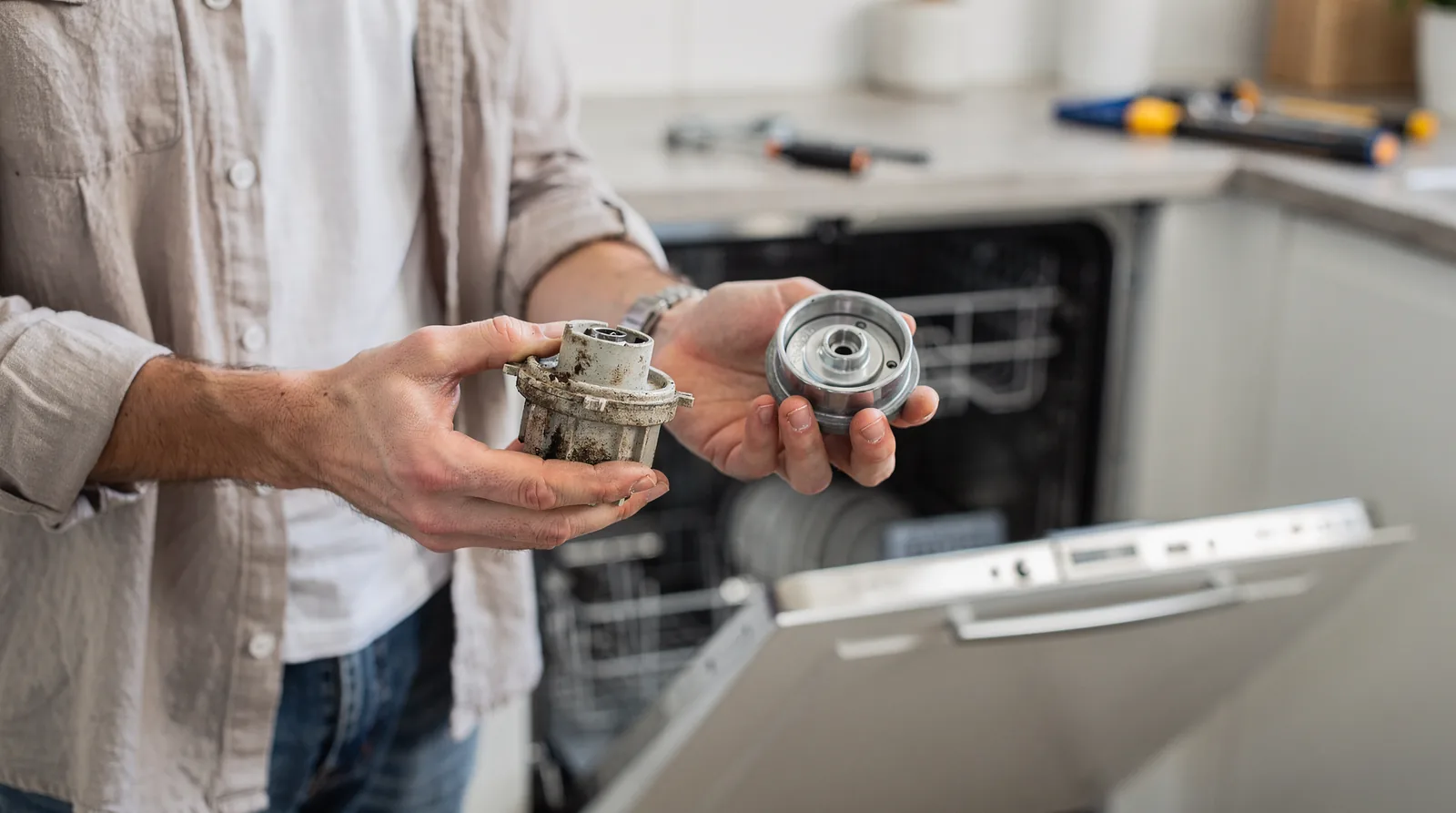
A professional inspection settles the repair-versus-replacement question far more reliably than guesswork off a ladder. Homeowners who patch symptoms without addressing root causes often pay twice: once for the repair, then again for the replacement that follows anyway. Knowing when to replace siding, instead of repeatedly repairing it, can save homeowners from costlier repairs down the road. That distinction matters most for damage hidden behind the surface.
How can I tell if my siding needs to be replaced or repaired?
Localized damage, like a single cracked panel or isolated dent, usually points to repair. Widespread warping, persistent moisture behind the walls, or stucco that continues cracking and failing signals a bigger problem. RCG Siding Pros specializes in replacing cracked, damaged, and failing stucco with James Hardie siding, addressing cases where patchwork repairs no longer hold. cite-1
Should I get a professional opinion before choosing either option?
Yes. RCG Siding Pros offers a no-pressure, free siding estimate, giving homeowners a professional assessment before committing to repair or full replacement. cite-1 That evaluation identifies whether damage is cosmetic or structural, saving unnecessary spending on the wrong fix.
A quick comparison helps frame the decision:
As a division of Rubicon Construction Group, RCG Siding Pros brings more than 30 years of construction experience to every assessment. cite-1 That background allows the team to deliver reliable, affordable, and professional siding installation, rather than a one-size-fits-all recommendation. Homeowners get a straight answer, backed by decades of hands-on construction expertise.
What Hidden Damage Lurks Behind Your Walls?
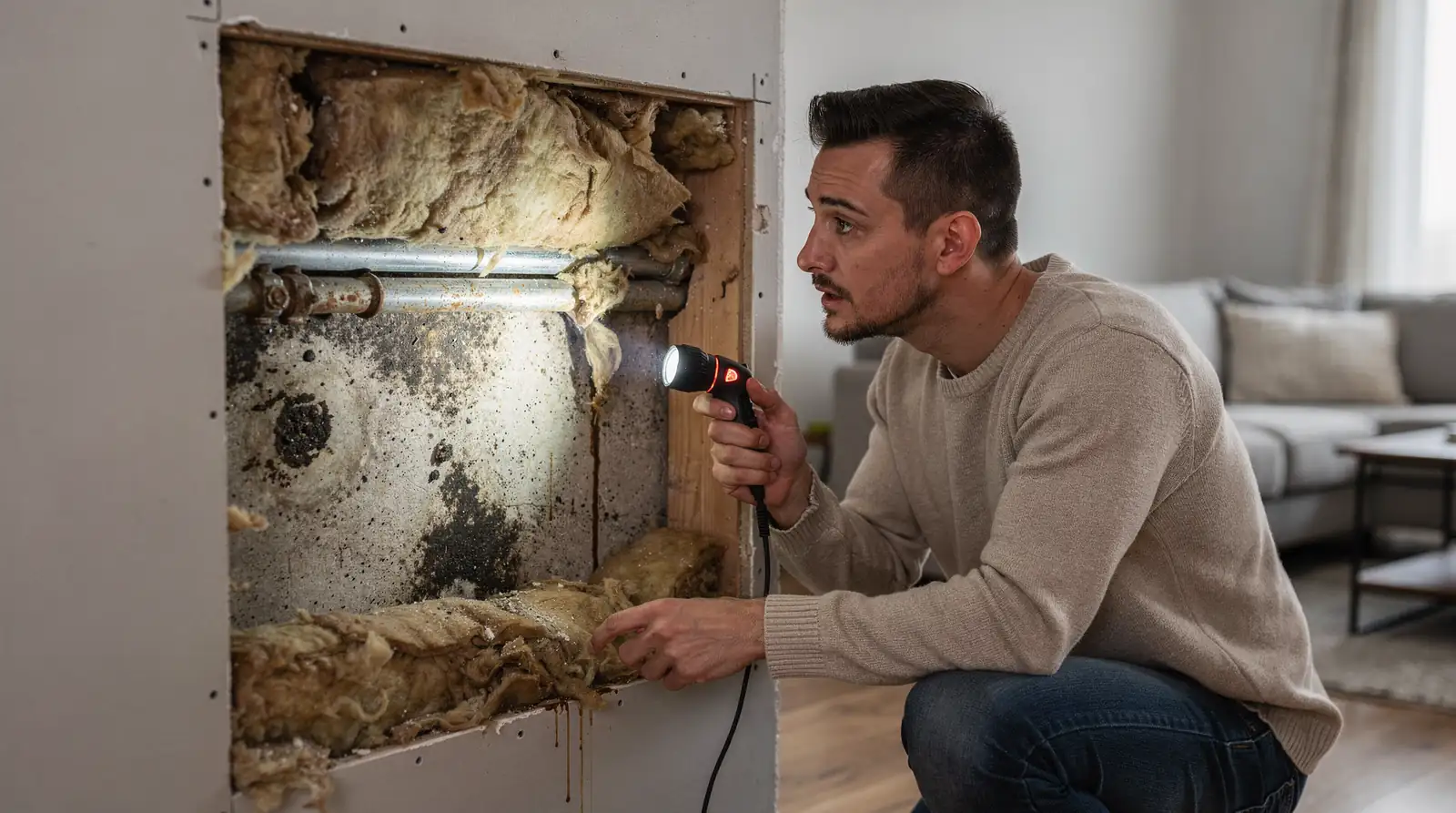
Cold or hot spots along exterior walls point to trouble long before cracked panels appear on the surface. Soft drywall and a damp patch on the ceiling are equally telling clues. Each symptom traces back to the building envelope, the connected system of siding and roofing that keeps outdoor conditions from invading indoor spaces. Once that system develops gaps, temperature control and moisture protection both suffer.
Homeowners in Jacksonville, Florida face a particular challenge: humidity, heavy rain, and sudden temperature swings all stress siding materials faster than milder climates allow. RCG Siding Pros operates from this region. Evaluating storm exposure, coastal moisture, and seasonal freeze-thaw stress is part of daily work. That regional familiarity extends across St. Johns, St. Augustine, Duval, and Clay, communities where siding faces similar environmental pressure year-round.
Why does hidden damage matter more than visible damage?
Surface flaws are easy to spot and often easy to dismiss. Hidden deterioration behind the panels, however, keeps working even when the exterior looks fine.
Left unaddressed, small issues compound into larger ones:
- Moisture intrusion seeping into wall cavities
- Energy loss from compromised insulation
- Declining curb appeal as damage eventually surfaces
Can subtle siding changes really cause big problems?
Yes. Subtle shifts in temperature control or slight dampness rarely stay minor. Left unchecked, they escalate into moisture intrusion, higher energy bills, and a home exterior that looks tired well before its time.
Catching these warning signs early protects both comfort and long-term home value. It starts with recognizing what’s happening beneath the surface, not just on it.
Why Choose James Hardie Siding Replacement Now?
Waiting rarely pays off when stucco cracks, warps, or traps moisture behind the surface. Homeowners facing these stucco problems gain more by upgrading to durable James Hardie siding than by patching failing walls repeatedly. Patch jobs address symptoms; replacement addresses the cause.
James Hardie siding stands out for its durability and low-maintenance design. Built to withstand harsh weather, it also sharpens a home’s curb appeal year after year. That combination of protection and polish makes replacement an investment rather than an expense.
RCG Siding Pros brings a specific advantage to that investment: over 30 years of construction experience paired with a sharp focus on protecting homes and elevating their exteriors. This track record shapes an approach centered on durable materials and lasting curb appeal, not quick fixes.
How can homeowners tell if their siding needs to be replaced or repaired? Cracking, warping, or persistent moisture behind the surface usually signals a problem beyond simple patching. Cosmetic fading or a single damaged panel often points to repair instead. When damage repeats or spreads, replacement protects the home more reliably.
Well-kept, high-quality siding does more than shield a house from wind and rain. It directly influences curb appeal and property value, two factors that compound the longer replacement gets delayed. Choosing James Hardie siding now locks in that value before deterioration erodes it further.
Consider the tradeoffs:
- Patch stucco repeatedly — temporary fix, recurring costs, value keeps declining
- Replace with James Hardie siding — lasting durability, low upkeep, stronger curb appeal
Recognizing the warning signs of deteriorating siding empowers you to protect your home’s structural integrity. Aesthetic appeal before minor issues escalate into costly damage. Whether you’ve observed visible wear, energy inefficiency, or persistent moisture problems, addressing siding replacement promptly preserves your investment and restores your home’s exterior performance. RCG Siding Pros brings specialized expertise. Precision installation to Jacksonville homeowners seeking durable, low-maintenance solutions that withstand Florida’s demanding climate and elevate curb appeal for years to come.
FAQ
What are the main warning signs that siding needs replacement?
Visible cracks, warping, or bubbling panels signal failing siding, along with cold or hot spots near exterior walls, soft drywall, and damp ceiling spots that point to hidden building envelope damage.
Why does cracked or damaged stucco matter for Jacksonville homeowners?
Cracked, damaged, or failing stucco ranks among the most visible failure signs and often signals deterioration beneath the surface, which coastal Jacksonville weather accelerates over time.
Can rising energy bills indicate a siding problem?
Yes, spiking utility costs often trace back to failing siding rather than HVAC issues, since gaps in insulation force the system to run longer and harder to maintain temperature.
Facts
- RCG Siding Pros is located in Jacksonville, Florida, US.
Conclusion
Deciding between siding repair and replacement comes down to how far the damage has spread and how long it’s been left unaddressed. Isolated cracks or a single damaged panel often call for a targeted repair, while widespread warping, persistent moisture, or failing stucco point to a bigger problem that repair alone won’t solve. Left unchecked, these issues don’t just affect curb appeal — they compromise energy efficiency, invite hidden structural damage, and drive up costs the longer they’re ignored.
Jacksonville’s coastal climate makes this an especially timely decision for local homeowners, as humidity, storms, and temperature swings accelerate siding wear faster than in milder regions. A professional inspection remains the most reliable way to tell whether repair or replacement is the right path forward. RCG Siding Pros brings decades of construction experience to that assessment, helping homeowners protect their homes with durable, low-maintenance James Hardie siding built to withstand Florida’s demanding conditions.