
Durability of James Hardie Siding: Why Homeowners Trust Its Lifespan and Benefits
James Hardie siding is a robust choice for homeowners seeking durable and aesthetically pleasing exterior solutions. This type of fiber cement siding not only enhances the exterior appeal of a home, but it also boasts a remarkable lifespan. In a climate where durability is paramount, James Hardie siding stands out due to its weather resistance, low maintenance requirements, and overall cost-effectiveness. This article explores the key elements of James Hardie siding’s durability, benefits, maintenance recommendations, and comparisons with other siding materials. For homeowners looking into exterior renovations, understanding the siding services for your home can be a crucial first step in planning.
How Long Does James Hardie Fiber Cement Siding Last?
James Hardie fiber cement siding is renowned for its impressive lifespan, which can range from 30 to 50 years. This longevity is attributed to several factors, including its manufacturing process and the materials used. Unlike traditional vinyl siding, which may warp or fade over time, James Hardie siding maintains its integrity and visual appeal, even in harsh weather conditions. Factors such as proper installation and routine maintenance can also significantly enhance its durability and performance.
How Does Fiber Cement Material Contribute to Durability?
The distinctive composition of fiber cement greatly contributes to the overall durability of James Hardie siding. Fiber cement is a composite made from Portland cement, sand, and cellulose fibers, engineered to withstand a variety of environmental stresses. This material excels in weather resistance, repelling moisture and preventing rot or warping. Additionally, its impact resistance shields the siding from damage due to hail or flying debris, ensuring longevity in diverse climates.
What Are the Key Benefits of James Hardie Fiber Cement Siding?
James Hardie fiber cement siding offers an array of benefits that elevate it as a preferred choice among homeowners. Key advantages include:
- Longevity: With a lifespan between 30 and 50 years, it minimizes the need for frequent replacements.
- Environmental Resistance: It withstands harsh weather conditions, including high winds and harmful UV rays.
- Low Maintenance: Regular cleaning and occasional inspections can keep it looking new without requiring extensive upkeep.
Additionally, homeowners can expect cost-effectiveness over time, as the initial investment is offset by minimal maintenance needs and extended durability.
For those interested in installing James Hardie siding, obtaining a quote can provide insight into the investment required.
Why Is James Hardie Siding Considered a Durable Home Upgrade?
James Hardie siding is regarded as a durable home upgrade for various reasons, primarily its long lifespan and strong performance against environmental threats. Homeowners investing in this siding often cite its ability to resist rot, pests, and fading, extending the life of the product significantly compared to traditional vinyl options. Furthermore, James Hardie offers a warranty that covers manufacturing defects, assuring homeowners of the quality and reliability of their investment.
How Should Homeowners Maintain James Hardie Siding for Longevity?
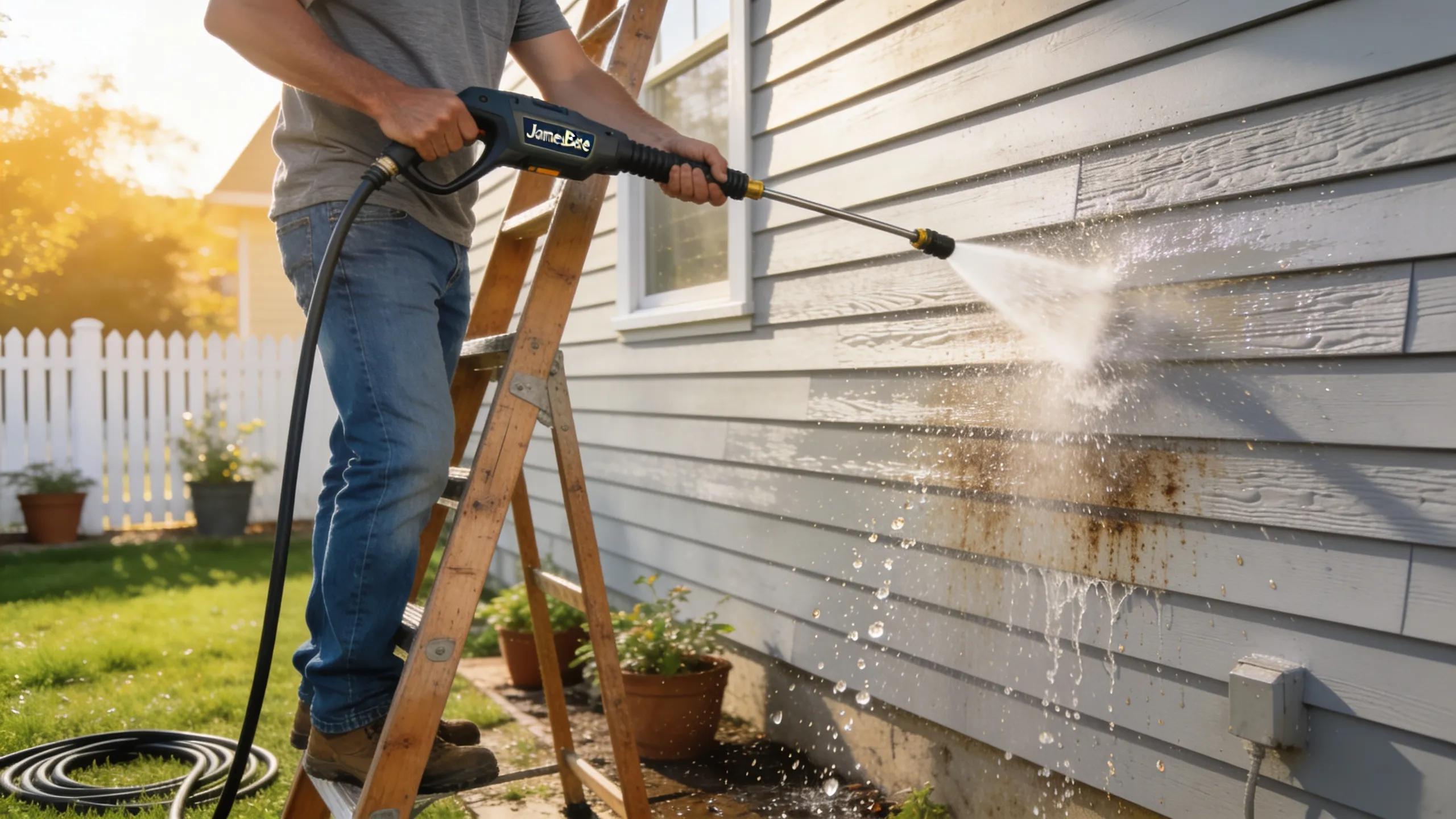
Maintaining James Hardie siding is crucial for ensuring its longevity and aesthetic appeal. Homeowners should adhere to the following maintenance tips:
- Regular Inspection: Conduct inspections at least twice a year to check for signs of damage or wear.
- Cleaning: Use a gentle power washer or a garden hose with mild soap for cleaning, which should be done annually.
- Repairs: Address any scratches or damages promptly to prevent moisture penetration.
By following these simple maintenance steps, homeowners can preserve the siding’s appearance and extend its life.
What Routine Maintenance Extends Fiber Cement Siding Lifespan?
Routine maintenance plays a vital role in extending the lifespan of fiber cement siding. Seasonal inspections help catch potential issues before they escalate, while cleaning removes dirt and debris that can cause stains or damage. A consistent maintenance schedule ensures durability and maintains the visual appeal of the siding.
How Does Proper Care Impact Siding Appearance and Function?
Proper care directly affects both the appearance and functionality of James Hardie siding. Neglecting maintenance can lead to visual deterioration, such as staining or discoloration, while also compromising the siding’s integrity. By investing in regular care, homeowners not only enhance their home’s curb appeal but also ensure that the siding performs optimally over its lifespan.
Why Do Homeowners Choose James Hardie Over Other Durable Siding Materials?
Many homeowners prefer James Hardie siding over other materials due to its superior performance and longevity. Compared to vinyl siding, which can fade or become brittle, James Hardie offers a tested resistance to various climatic conditions. Additionally, the long-term value of James Hardie siding is evident, as it often requires fewer repairs and replacements than its counterparts.
How Does James Hardie Fiber Cement Compare to Other Siding Materials?
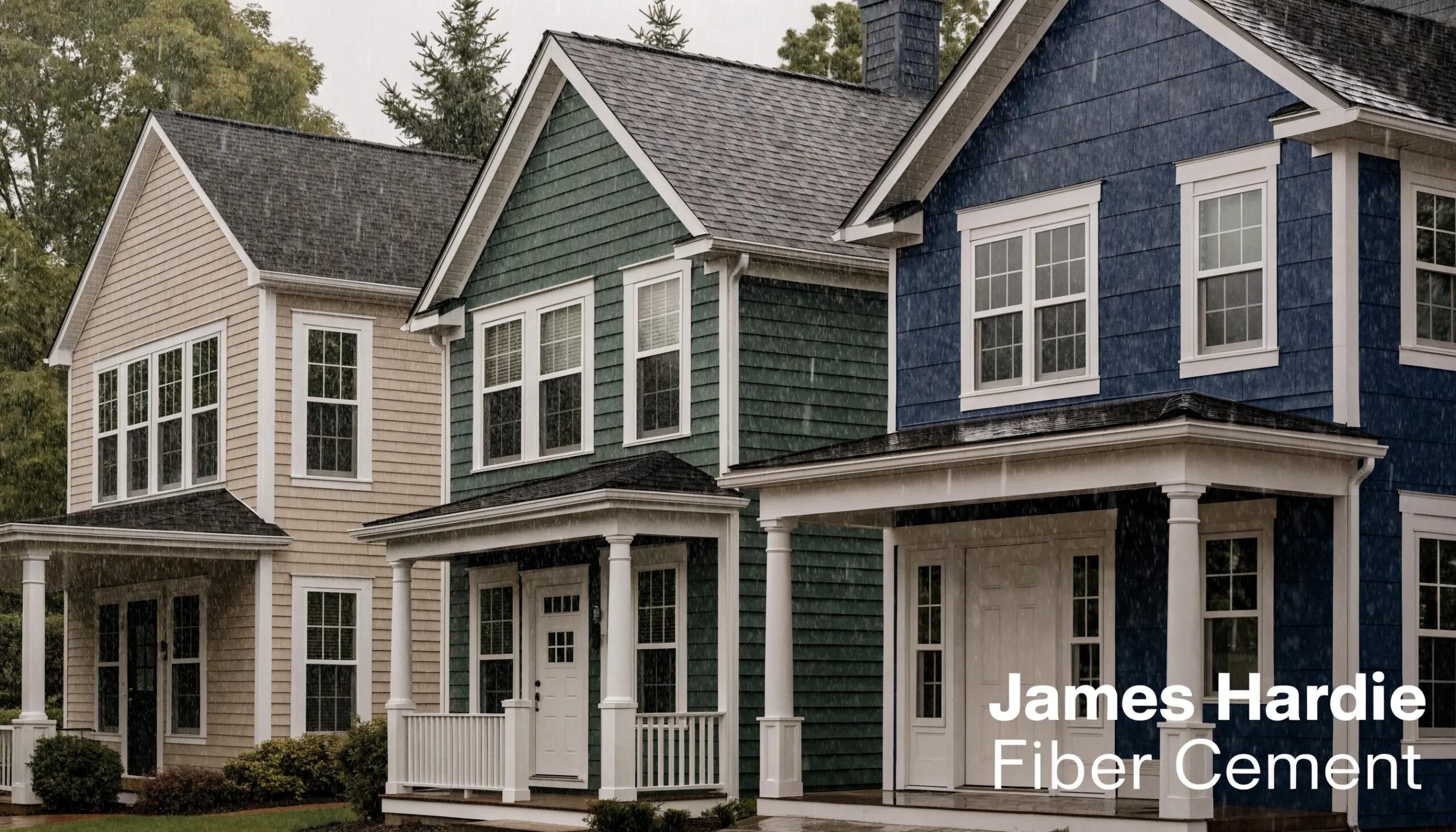
When comparing James Hardie fiber cement siding to other materials, it becomes clear why it’s a leading choice for homeowners. For instance, vinyl siding offers affordability but lacks the durability and environmental resistance of Hardie siding. Moreover, wooden siding, while attractive, requires significant upkeep and is susceptible to water damage. James Hardie strikes an ideal balance, providing the best of durability, aesthetics, and low maintenance.
A Comparative Analysis of Siding Materials: Environmental and Economic Implications
This research provides the historic preservation community with quantifiable data on the sustainability of historic materials compared to contemporary alternatives. Utilizing dual methodologies for environmental and economic life cycle costing, the study reveals that retaining existing in-situ siding results in the lowest environmental impact and is the second most economically viable option. Conversely, while the installation of new, traditional wood siding presents the subsequent lowest environmental impact, it proves to be the most expensive method over time. Consequently, despite the frequent promotion of simulated materials as the most environmentally and economically sustainable, retaining in-situ siding represents a superior choice, and Cladding by Another Name: A Comparative Analysis of the Environmental and Economic Costs of Traditional Wood Clapboards, Composite Fiber-Cement Siding, and …, 2022
What Cost and Warranty Factors Influence Homeowner Decisions?
The cost and warranty of siding materials significantly influence homeowner decisions. James Hardie products come with a warranty that spans 30 years, covering material defects, which can provide peace of mind for new buyers. While the initial investment might be higher than vinyl, the long-term savings due to durability and minimal maintenance make it a prudent choice in the long run. Understanding these cost vs. durability factors can help homeowners make informed decisions when choosing the best siding option.