
James Hardie Siding Installation: Comparing Costs, Benefits, and Processes Against Other Siding Options
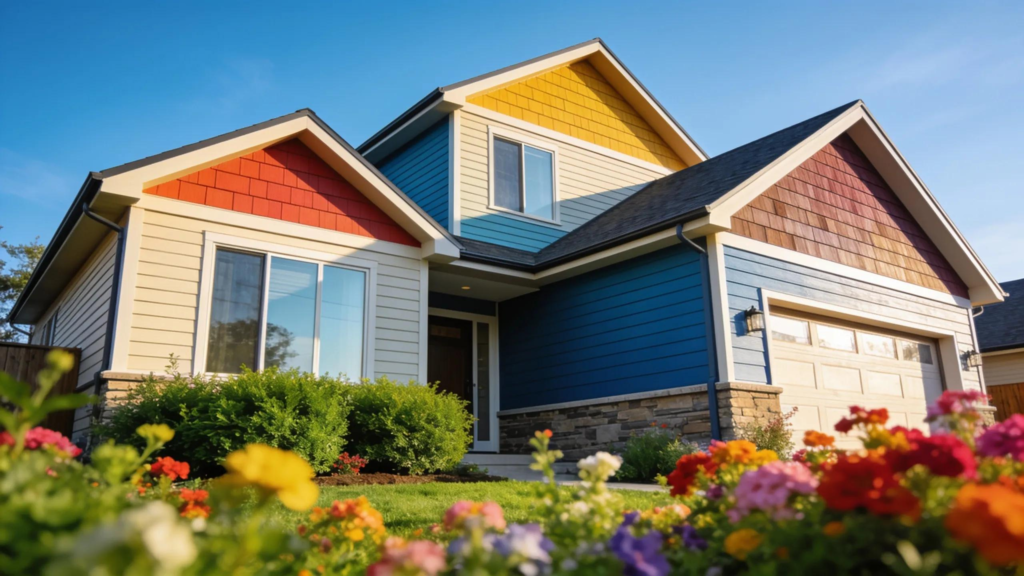
When it comes to choosing exterior siding for your home, durability and aesthetic appeal are crucial factors. James Hardie siding, a popular fiber cement material, stands out among various options due to its robust benefits and unique installation process. This article explores the comparative aspects of James Hardie siding installation against other commonly used substrates, particularly vinyl siding. Homeowners often grapple with concerns regarding cost, durability, and value. This comprehensive analysis reveals how James Hardie can not only meet but exceed expectations when selecting the right siding for long-term investment. We will delve into installation costs, benefits of various materials, and provide practical insights into the installation process, while also discussing expert services available from RCG SIDING PROS.
Costs:
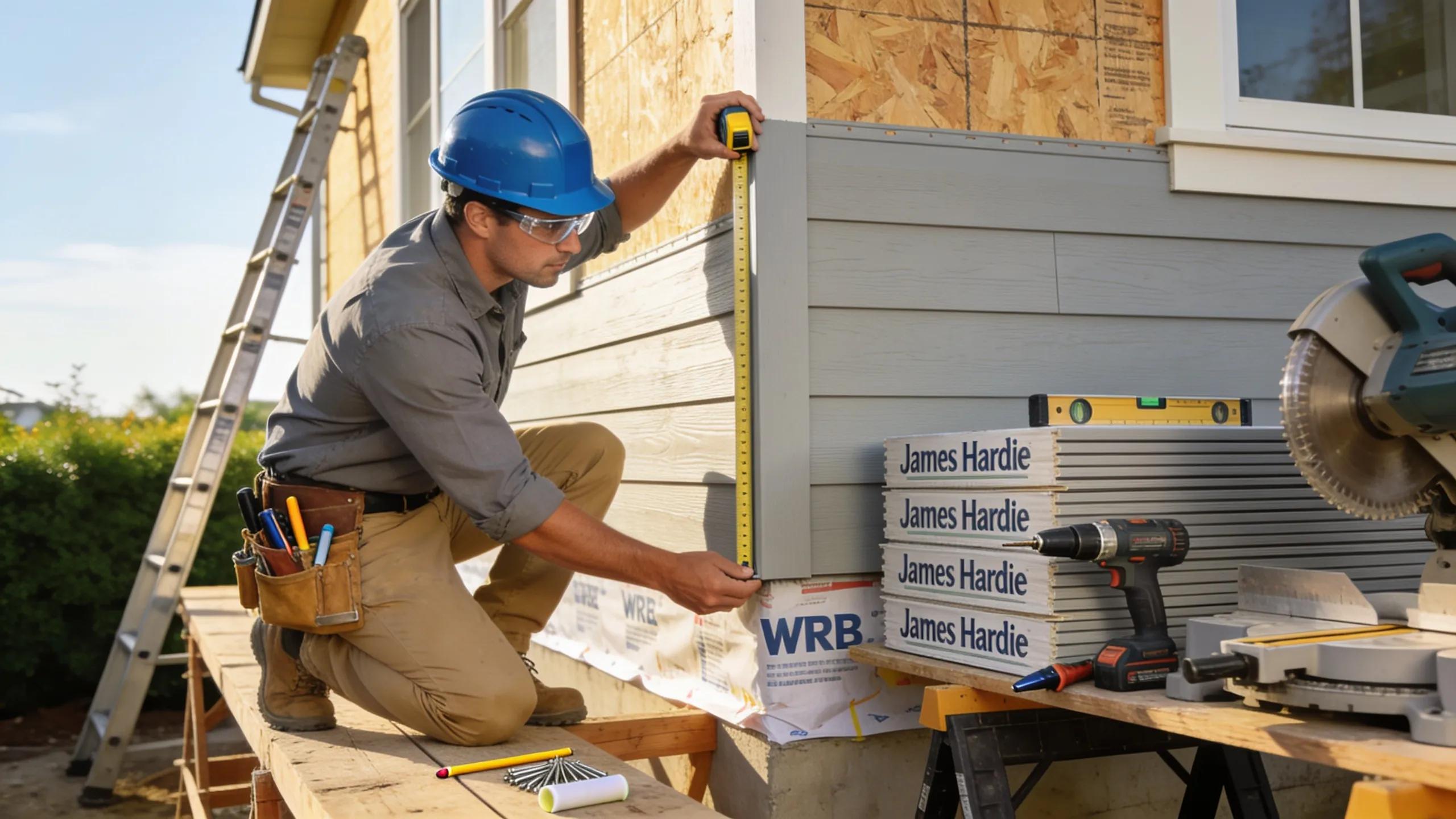
Understanding the cost implications of siding installation is essential for homeowners planning their budgets. James Hardie siding typically comes at a higher upfront cost compared to vinyl options. However, evaluating the lifespan and long-term value of James Hardie is crucial. The following points highlight key considerations:
- Upfront Costs: James Hardie siding can be more expensive initially, ranging from $10 to $15 per square foot, whereas vinyl siding generally costs between $2 and $8 per square foot.
- Longevity: James Hardie siding has a lifespan of over 30 years, while vinyl typically lasts around 20-40 years.
- Maintenance Costs: While both materials require maintenance, James Hardie has lower long-term maintenance costs due to its durability against severe weather.
This financial aspect illustrates that while James Hardie might demand a larger initial investment, its longevity and lower maintenance needs can lead to cost-effectiveness over time.
Life Cycle Cost Analysis of Siding Materials: A Comparative Study
Leveraging methodologies provided by the scientific community, specifically environmental product declarations (EPDs) derived from life cycle assessments (LCAs) and life cycle cost analyses (LCCAs), this research quantifies and compares the comprehensive environmental and economic impacts of historic, traditional, and simulated construction materials. This analysis provides the historic preservation community with quantifiable data on the sustainability of historic materials relative to alternative options. Employing these distinct environmental and economic life cycle costing approaches, the study demonstrates that retaining existing siding in situ yields the lowest environmental impact and ranks as the second most economically viable option. Conversely, while the installation of new, traditional wood siding exhibits the next lowest environmental impact, it represents the most significant long-term financial investment. Therefore, despite the frequent promotion of simulated materials as the most environmentally and economically sustainable, this research indicates that retaining in-situ siding and…Cladding by Another Name: A Comparative Analysis of the Environmental and Economic Costs of Traditional Wood Clapboards, Composite Fiber-Cement Siding, and …, 2022
Benefits:
Choosing the right siding material is about more than just cost; it’s also about the benefits each option can provide. James Hardie siding offers several advantages, highlighted here:
- Durability: Hardie siding is designed to withstand harsh weather conditions such as extreme winds and heavy rainfall. Its fiber cement composition makes it resistant to warping and cracking.
- Aesthetic Variety: Homeowners can enjoy a wide array of styles, colors, and textures that can enhance curb appeal compared to vinyl options.
- Low Maintenance: Unlike vinyl siding that can fade and need replacement, James Hardie siding maintains its visual appeal and requires minimal upkeep.
These benefits make James Hardie siding an appealing option for those who prioritize quality and longevity in their home improvement projects.
Installation Processes:
The installation of siding can significantly impact its effectiveness and longevity. James Hardie siding installation is distinctive compared to other sidings like vinyl.
- Detailed Steps: Installing James Hardie requires careful planning and execution. It begins with preparing the substrate and ensuring it is suitable for affixing the siding.
- Timeframes: Generally, the installation of James Hardie siding takes longer than that of vinyl due to the meticulous work required. Proper installation can take 1-3 weeks depending on the size of the project.
- Quality Checks: Professional installers conduct quality checks throughout the process to ensure optimal placement and adherence to manufacturer guidelines.
Opting for professional installation, such as that offered by RCG SIDING PROS, can enhance the durability of your James Hardie siding and ensure a flawless aesthetic.
What Is the Hardie Board Siding Installation Process?
The installation process of James Hardie siding involves several critical steps that ensure the quality and durability of the finish.
- Requesting a Quote: Homeowners should start by contacting professionals for a detailed quote based on their housing specifications.
- Preparation and Inspection: The area where the siding will be installed should be inspected and cleaned to ensure that all underlying structures are sound, allowing for a secure installation.
- Final Touches and Quality Checks: After installation, a thorough inspection is conducted to confirm that the siding is well-fitted and aesthetically pleasing.
Which Steps Are Involved in Installing James Hardie Fiber Cement Siding?
The specific steps to install James Hardie fiber cement siding include:
- Assessment: An initial check to evaluate the property and determine the right siding configuration.
- Preparation: Preparing the wall surfaces and ensuring they are moisture-resistant.
- Installation: Installing the siding panels with an emphasis on precision to prevent gaps and to enhance durability.
- Final Inspection: Completing the process with a final walkthrough to ensure all elements are satisfactorily executed.
How Does Professional Installation Enhance Durability and Appearance?
Professional installation plays a pivotal role in ensuring the performance and longevity of James Hardie siding. Expert installers ensure precision in every step, which enhances both the durability and aesthetic appeal of the siding.
- Importance of Precision: Correct spacing and alignment during installation prevent water damage and other issues down the line.
- Durability Benefits: Professional techniques ensure that the material is installed according to manufacturer specifications, enhancing its resistance to weather and wear.
- Aesthetic Improvements: Expert installation leads to a polished, seamless appearance that elevates the overall look of your home.
This level of detail underscores why professional services are highly recommended when considering James Hardie siding.
How Does James Hardie Siding Compare to Vinyl and Other Siding Materials?
Comparing James Hardie siding to vinyl and other materials provides insight into its unique benefits. James Hardie excels in several areas:
- Variety: There is a broader range of designs and finishes, allowing for personalized home aesthetics.
- Sustainability: Fiber cement provides superior sustainability features compared to vinyl, being more environmentally friendly due to its natural materials.
- Impact Resistance: Unlike vinyl, which can easily dent and warp, James Hardie offers enhanced resilience against physical impacts, ensuring long-term durability.
These comparisons underscore the advantages of choosing James Hardie for homeowners looking for enduring quality.
What Are the Durability and Maintenance Benefits of Fiber Cement Siding?
James Hardie fiber cement siding boasts exceptional durability and low maintenance needs, providing significant advantages:
- Element Resistance: Fiber cement can withstand extreme weather conditions including rain, wind, and heat without deteriorating.
- Minimal Upkeep: It does not require frequent painting as vinyl does, which can crack or chip over time.
- Longevity: With proper installation, Hardie siding can last longer than many alternatives, making it a wise investment.
These characteristics highlight the practical benefits of fiber cement siding for homeowners.
How Do Installation Processes and Costs Differ Between Hardie Board and Vinyl Siding?
When evaluating siding options, the differences in costs and installation processes between Hardie Board and vinyl are noteworthy.
- Installation Timeframes: Vinyl siding installation tends to be quicker; typically a few days compared to 1-3 weeks for Hardie Board.
- Cost Assessments: Labor costs for the installation of Hardie siding may be higher due to the technical expertise required.
- Professional Impact: Hiring skilled professionals can extend the lifespan of both materials but is particularly critical for maximizing the advantages of Hardie Board.
These insights guide homeowners in making informed decisions on their siding projects.
What Are the Typical James Hardie Siding Installation Costs and Budgeting Tips?
Estimating the costs associated with James Hardie siding is essential for effective budgeting. On average, homeowners can expect to invest:
- Installation Costs: Ranging from $10 to $15 per square foot.
- Labor Costs: Keeping in mind to budget for skilled installation services which can appropriately secure the siding.
- Budgeting Tips: Homeowners should consider long-term savings on maintenance costs when evaluating overall investments.
Which Factors Influence Hardie Siding Installation Pricing?
Several factors influence the pricing of James Hardie siding installation:
- Material Quality: Higher quality materials yield a better appearance and longer lifespan.
- Labor Complexity: The more complex the installation, the higher the labor costs will be.
- External Conditions: Factors such as site accessibility and environmental conditions can impact total costs.
How Can Homeowners Compare Costs Between Fiber Cement, Vinyl, and Other Material Options?
Evaluating costs between siding materials involves considering initial expenses against long-term benefits.
- Highlighting Cost Efficiencies: Consider overall life-cycle costs, including potential savings in maintenance.
- Long-term Value Analysis: While fiber cement may have a higher upfront cost, the longevity can result in a better return on investment.
A clear understanding of costs enables homeowners to make choices that align with their financial plans.
Why Choose James Hardie Siding for Your Home? Key Benefits Explained
Choosing James Hardie siding brings numerous advantages, establishing it as a leading option among homeowners. Key benefits include:
- Durability: Lasts longer than vinyl.
- Aesthetic Value: Offers enhanced curb appeal that can elevate property values.
- Weather Resistance: Protects against the elements more effectively than many alternatives.
This combination ensures that homeowners receive an exceptional return on investment.
What Aesthetic and Environmental Advantages Does Fiber Cement Provide?
Fiber cement, as utilized in James Hardie siding, offers notable aesthetic and environmental benefits:
- Visual Appeal: A variety of styles and finishes enhance the architectural character of homes.
- Eco-Friendliness: Made from sustainable materials, making it a responsible choice for environmentally conscious homeowners.
The benefits of fiber cement siding make it a desirable option in modern construction.
How Does James Hardie Siding Enhance Home Value and Longevity?
Investing in James Hardie siding is not just about immediate appeal; it also contributes to the long-term value of your home. It brings:
- Property Valuation Link: Quality siding is often a key consideration for prospective buyers, enhancing overall appraisal values.
- Long-Term Performance Expectations: Quality labor and products ensure extended durability and usability.
- Investment Perspectives: Homeowners can view the installation as a lasting enhancement rather than a short-term fix.
These factors solidify James Hardie siding’s position as a strong contender in the market.