
What Common Issues Do Homeowners Face with Their Current Siding Installations
When it comes to What Common Issues Do Homeowners Face With Their Current Siding Installations?, warped, cracked, or moisture-damaged siding can lead to significant home exterior issues. Vinyl siding cracks get replaced panel-by-panel, wood rot requires cutting out damaged boards, and buckled siding needs proper nailing adjustments. RCG Siding Pros diagnoses these problems on-site and repairs or replaces sections to restore your home’s protection and curb appeal.
Cracking, warping, and loose panels top the list of common siding problems, often caused by moisture damage, pest infestations, or improper installation. Fixes range from resealing seams to full panel replacement. RCG Siding Pros, serving Jacksonville, Florida, addresses all 8 major siding issues with professional repair and replacement solutions.
Common siding problems include cracking, warping, moisture damage, and mold growth, often caused by improper installation or untreated moisture exposure. Minor cracks or loose panels sometimes qualify as DIY fixes. Warping, buckling, or widespread mold signals deeper damage requiring professional repair. RCG Siding Pros installs durable James Hardie siding in Jacksonville, FL, restoring protection and curb appeal.
Key Takeaways
- Moisture damage, cracking, and pest infestations represent the top 3 siding problems homeowners face regularly.
- Warping and buckling stem from improper installation or thermal expansion affecting panel integrity.
- Loose or missing panels compromise your home’s structural protection and energy efficiency significantly.
- RCG Siding Pros in Jacksonville, Florida provides expert repairs preventing costly structural damage.
What Should You Check Before Repairing Siding?
A proper inspection starts with the panels themselves, not the paint color or age of the home. Cracks or gaps rank among the clearest warning signs, since they often allow moisture to seep behind the surface and cause hidden damage. Before scheduling a repair, homeowners should confirm whether the damage is cosmetic or structural.
Prerequisite: homeowners need access to the full exterior wall, including areas behind shrubs or near downspouts, before starting an inspection.
- Walk the perimeter of the house in daylight and photograph any cracked, warped, or discolored panels.
- Press gently on suspicious areas to check for softness, which often signals moisture trapped underneath.
- Look closely at seams and corners for gaps that could let water infiltrate the wall assembly.
- Note whether damage clusters near ground level, roof lines, or windows, since these locations tend to trap moisture longer.
- Compare findings against manufacturer standards; James Hardie siding is engineered to be durable and low-maintenance, so damage on newer installations may point to installation error rather than product failure.
Is a Small Crack Something to Worry About?
A single hairline crack rarely threatens structural integrity, but it still deserves attention. Left unaddressed, cracks widen and let water penetrate the wall, leading to rot or mold growth over time. Homeowners noticing multiple cracks or spreading gaps should treat the issue as urgent rather than cosmetic.
Should a Contractor Inspect the Siding First?
Yes, especially when damage extends beyond a single panel. RCG Siding Pros, backed by more than 30 years of construction experience through Rubicon Construction Group, evaluates whether repair or replacement makes sense. cite-1 Homeowners in the Jacksonville, Florida area can rely on that local expertise before making a costly mistake.
How Do You Spot Moisture and Mold Damage?
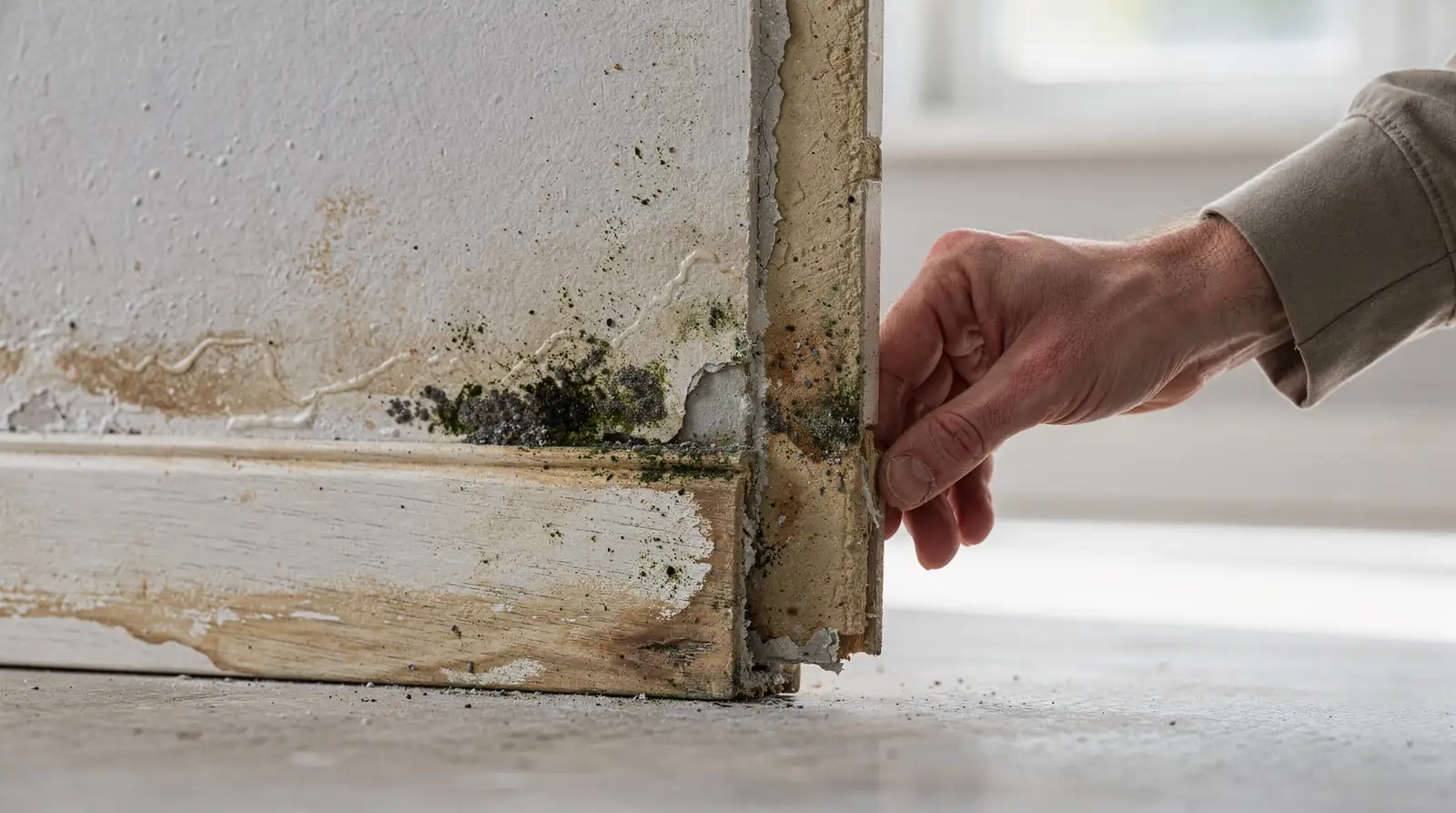
Dark streaks, a musty odor, and soft spots along the base of the wall signal moisture damage behind the siding. Homeowners noticing these clues face a problem bigger than surface staining. Excess moisture trapped behind siding panels causes wood rot, mold growth, and peeling paint when left unaddressed. Left alone, that trapped water spreads quietly, and by the time paint bubbles or panels bow, the damage often extends deep into the wall structure.
Inspecting for trouble requires a systematic look, not just a glance from the curb.
- Walk the perimeter and check for warped, bubbled, or discolored panels.
- Press gently on suspicious spots; soft or spongy areas indicate rot underneath.
- Sniff near corners and seams for a musty or earthy smell.
- Look inside closets and rooms that share a wall with affected siding for interior staining.
- Check for visible mold, which appears as black, green, or gray patches near seams and trim.
Is Mold Behind Siding Dangerous?
Mold and mildew growth from untreated moisture goes beyond cosmetic concerns. It creates genuine health hazards for people living inside the home, including respiratory irritation for sensitive occupants. Treating it as a minor blemish rather than a warning sign puts household health at risk.
Why Does Water Damage Spread So Far?
Water counts among siding’s most destructive enemies once it slips behind the panels. Damage frequently reaches far beyond what’s visible from the outside, hiding inside wall cavities and framing. When stucco has failed and is trapping water against the structure, replacing it with James Hardie siding offers a proven, durable repair path homeowners can rely on. cite-1
How Do You Fix Cracks, Gaps, and Pests?
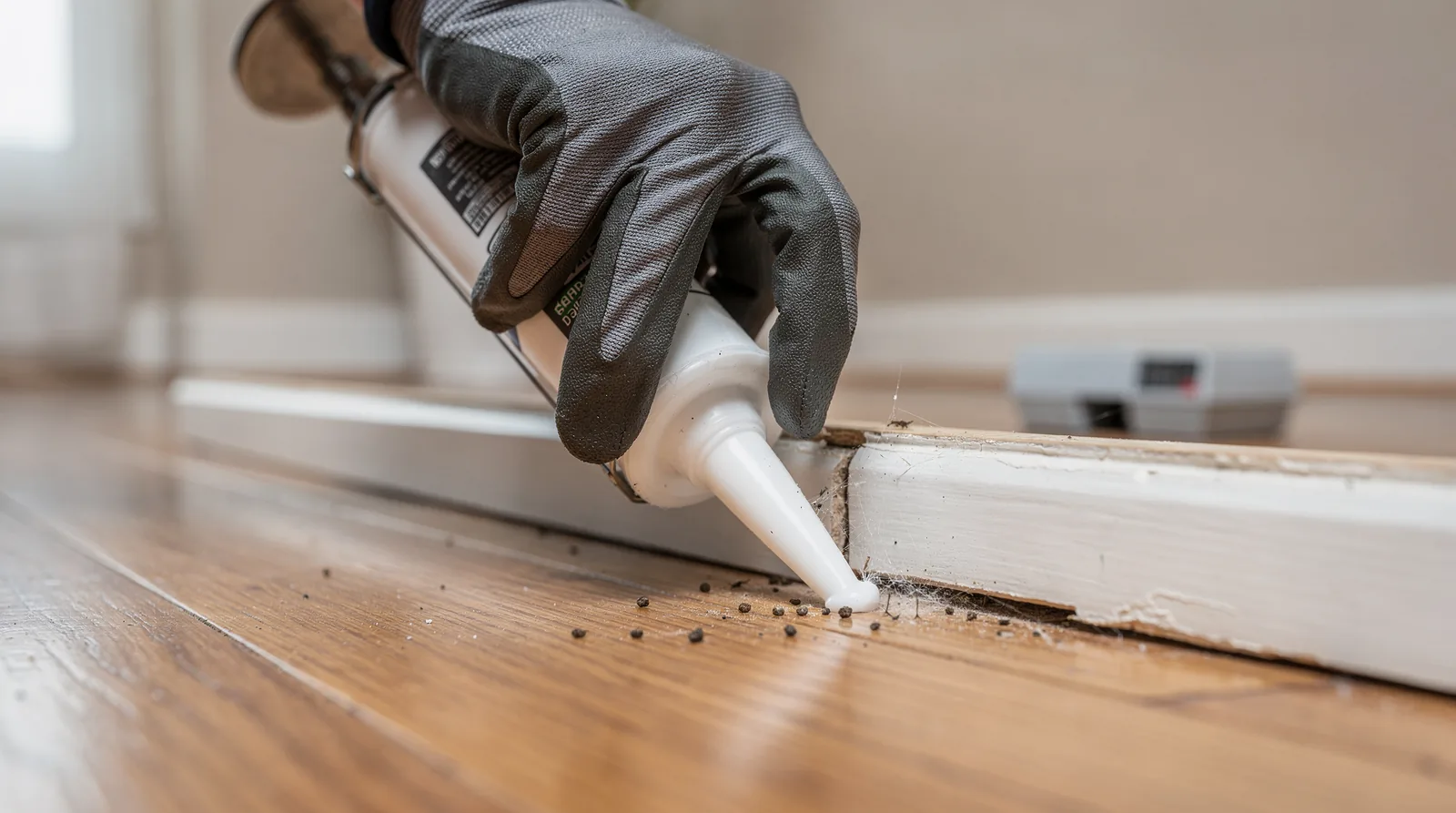
Fixing cracks, gaps, and pest damage starts with identifying the source, not just patching the surface. Homeowners noticing these common siding issues on a current siding installation often assume a quick caulk job solves everything. Small cracks and gaps, however, frequently signal moisture trapped behind the panels, and pest activity can turn cosmetic flaws into structural threats fast.
Termites and carpenter ants chew through wood siding, converting a hairline crack into a hollow, weakened wall section. Left unchecked, an insect problem spreads beyond the siding into framing and sheathing.
Repairing cracks, gaps, and pest entry points generally follows this sequence:
- Inspect the affected panels closely, checking for soft spots, frass, or sawdust that indicate insect activity.
- Clear debris, leaves, and soil buildup from around the base of the siding to remove moisture sources.
- Seal small cracks with exterior-grade caulk rated for the siding material in use.
- Treat or remove infested sections before sealing, since caulking over active pests traps the problem inside.
- Replace panels with visible rot, warping, or extensive pest damage rather than patching them.
Does Landscaping Really Affect Siding Cracks?
Yes. Maintaining distance between siding and shrubs, mulch, and gutters that drain properly limits moisture buildup, which reduces both cracking and pest access points.
Should a Homeowner Repair or Replace Damaged Siding?
Minor surface cracks with no pest activity often qualify for repair. Widespread gaps, soft wood, or recurring insect damage call for professional replacement. RCG Siding Pros’ trained installers focus on repairs that protect the home while restoring appearance. Long-term value, often recommending durable, low-maintenance James Hardie siding to prevent recurring cracks and gaps. cite-1
How Do You Fix Warping and Loose Panels?
Correcting warped or loose siding starts with identifying why the panels failed in the first place. Improper installation and normal thermal expansion cause most warping and buckling. Severe weather or subpar original craftsmanship leaves loose or missing panels hanging off the exterior. Left alone, those gaps invite moisture behind the wall, setting up rot and mold long before anyone notices a soft spot. Homeowners who catch the warning signs early avoid a far costlier tear-out later.
Before any repair begins, walk the exterior and note every section that looks bowed, gapped, or misaligned. Photograph problem areas in daylight — shadows hide the depth of a warp.
- Inspect each panel for buckling, nail pull-through, or visible daylight behind seams.
- Pull and discard panels installed with incorrect fastening or spacing.
- Check the sheathing underneath for moisture damage before reinstalling anything.
- Re-fasten new panels with a nailing pattern that allows for expansion and contraction.
- Finish with siding engineered for weather resistance rather than budget vinyl prone to repeat warping.
Should Homeowners Repair Warped Siding Themselves?
Minor cosmetic dings can sometimes wait, but structural warping rarely resolves on its own. RCG Siding Pros draws on more than 30 years of construction experience to diagnose whether a panel needs a simple refastening or a full section replacement. Attempting a DIY fix without knowing the underlying cause often traps moisture and hides worse damage.
Does New Siding Prevent Future Warping?
Yes — James Hardie siding is built to withstand sun, wind, and moisture far better than damaged original material. Replacing failure-prone sections with this engineered product reduces the odds of repeat buckling. Protects curb appeal for years to come.
When Should You Call a Siding Professional?
Cracked panels, spreading discoloration, or gaps wide enough to fit a finger mark the point where a professional inspection beats guesswork. Homeowners staring at these warning signs often wonder whether the damage stops at the surface or runs deeper into the wall structure. Waiting too long turns a manageable repair into a full replacement bill.
Recognizing the common issues homeowners face with their current siding installations takes a trained eye. Fading and minor cracking can hide moisture damage underneath. A contractor checks seams, corners, and fastener points that homeowners rarely inspect closely. Skipping that step risks a repair that looks fine for a season and fails again by next summer.
Homeowners weighing a call to a professional can follow this sequence:
- Walk the exterior and note every crack, gap, or discolored panel.
- Press on soft or warped sections to check for hidden rot.
- Request a no-pressure, free siding estimate before buying materials for a DIY patch.
- Compare the estimate’s findings against the scope of a self-repair.
Is a Small Crack in Siding a DIY Fix or a Bigger Problem?
A hairline crack on a single panel is usually a quick fix. Cracks that spread across multiple boards, or appear near seams and windows, often point to moisture trapped behind the surface. That distinction is exactly what a professional inspection settles.
RCG Siding Pros serves homeowners across St. Johns, St. Augustine, Duval, and Clay counties near its Jacksonville base, and can be contacted directly to request a free quote. Its trained installation professionals focus on repairs that protect the home. Hold long-term value, cutting down the chance of the same problem returning.
FAQ
What are the most common siding problems homeowners face?
Cracking, warping, moisture damage, and mold growth top the list, often caused by improper installation or untreated moisture ex
Facts
- RCG Siding Pros is located in Jacksonville, Florida, US.
Conclusion
Siding problems rarely stay small. A hairline crack, a soft spot near the foundation, or a panel that’s started to warp can look minor at first glance, but each one is a signal that moisture, pests, or installation issues are already at work behind the surface. The homeowners who fare best are the ones who inspect early, know the difference between a quick DIY fix and a job that calls for a professional, and act before a repairable issue turns into a full replacement.
Whether the fix is resealing a seam, replacing a few damaged boards, or removing and re-hanging panels with proper spacing, the goal stays the same: protecting the home’s structure and curb appeal for the long term. For homeowners in Jacksonville, St. Johns, St. Augustine, Duval, and Clay counties who are unsure which category their siding falls into, RCG Siding Pros offers the on-site expertise — and durable James Hardie siding options — to make that call with confidence.