
What Are the Key Benefits of Choosing James Hardie Siding for My Home
James Hardie fiber cement siding delivers long-term home value through weather-resistant durability, low-maintenance upkeep, and lasting curb appeal that attracts buyers, answering the common question: What Are the Key Benefits of Choosing James Hardie Siding for My Home? Homeowners in Jacksonville, St. Johns, St. Augustine, Duval, and Clay County choose this siding over wood, vinyl, or aluminum for its resilience against harsh elements and strong return on renovation investment.
Key Takeaways
- James Hardie fiber cement siding outperforms wood, vinyl, and aluminum in durability and longevity.
- Hardie board withstands harsh weather and environmental damage while maintaining aesthetic appeal for decades.
- Low-maintenance fiber cement siding reduces ongoing repair costs throughout your home’s ownership lifespan.
- James Hardie siding enhances curb appeal and significantly boosts residential property resale value.
Why Does Durability Protect Your Home Investment?
Durability determines how well a home withstands fire, water, weather, and pests over decades, not just years. Homeowners planning a renovation or preparing a listing lose resale value fast when exterior materials crack, warp, or rot within a decade. James Hardie siding is engineered specifically to resist those failures while boosting curb appeal, giving homeowners one of the clearest key benefits of choosing a fiber cement exterior.
Fiber cement construction stands apart from wood, vinyl, or aluminum because it resists damage on multiple fronts at once. Hardie fiber cement products are built to withstand:
- Fire — resists external flame exposure rather than fueling it
- Water — holds up against moisture without swelling or rotting
- Weather — engineered to perform across harsh climate swings
- Pests — offers little appeal to termites and wood-boring insects
- Time — maintains structural integrity for the long haul
That combination protects what is likely a homeowner’s most valuable asset: the house itself.
Does durable siding actually increase resale value?
Buyers notice exteriors before anything else, and siding condition often signals how well a home has been maintained overall. A durable, low-maintenance exterior reassures buyers that they won’t inherit costly repairs, which supports stronger offers during a sale.
How does installation quality affect long-term durability?
Material strength only pays off when installation matches it. Trained installation professionals focus on fitting siding correctly so it protects the home’s structure while enhancing appearance and long-term value. cite-1 Poor installation undermines even the best-engineered fiber cement panel, allowing moisture intrusion or premature wear that shortens its protective lifespan. Precision installation, paired with quality materials, gives homeowners the full return on their siding investment.
How Does Curb Appeal Boost Resale Value?
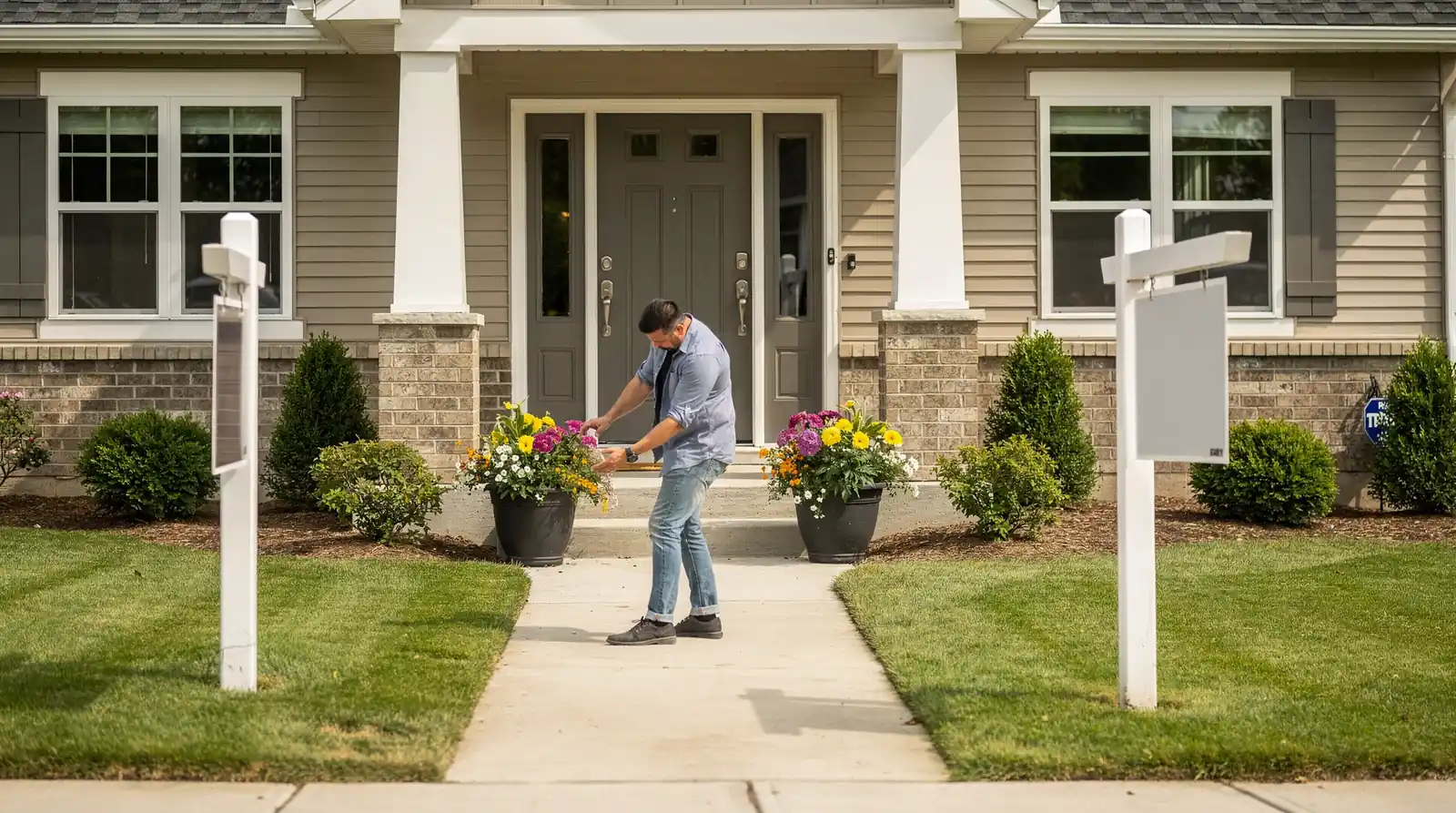
Curb appeal drives resale value because a buyer’s first impression forms before anyone walks through the front door. A worn, cracked, or faded exterior signals deferred maintenance, and appraisers factor that impression directly into offer prices. James Hardie siding addresses this problem by giving a home’s exterior a crisp, refreshed look designed to elevate curb appeal and hold that appearance for years.
For sellers weighing exterior upgrades, this matters more than most interior projects. A home that looks neglected from the street often gets skipped entirely, no matter how updated the kitchen looks inside.
Homeowners across the country increasingly turn to Hardie board siding for exactly this reason. Buyers searching for their next property tend to gravitate toward homes that look well-kept and structurally sound from the curb. Sellers who invest in fiber cement siding position their listings ahead of competitors still showing aging vinyl or wood.
Does Location Affect Which Siding Style Boosts Value Most?
Regional style expectations shape which siding profile actually helps a listing stand out. RCG Siding Pros, based in Jacksonville, Florida, works with homeowners throughout the region and understands which colors, textures, and board styles resonate with local buyers. That regional insight helps sellers avoid guessing and instead choose an exterior that matches what area buyers already expect to see.
One of the key benefits of choosing James Hardie siding for an exterior renovation is this direct link between appearance and perceived value:
- Consistent, fade-resistant color that photographs well for listings
- Clean board lines that suggest quality construction
- An exterior finish that matches regional buyer preferences
Sellers weighing cost against payoff should treat curb appeal not as decoration. As a resale strategy backed by material choice.
Can Low Maintenance Really Save You Money?
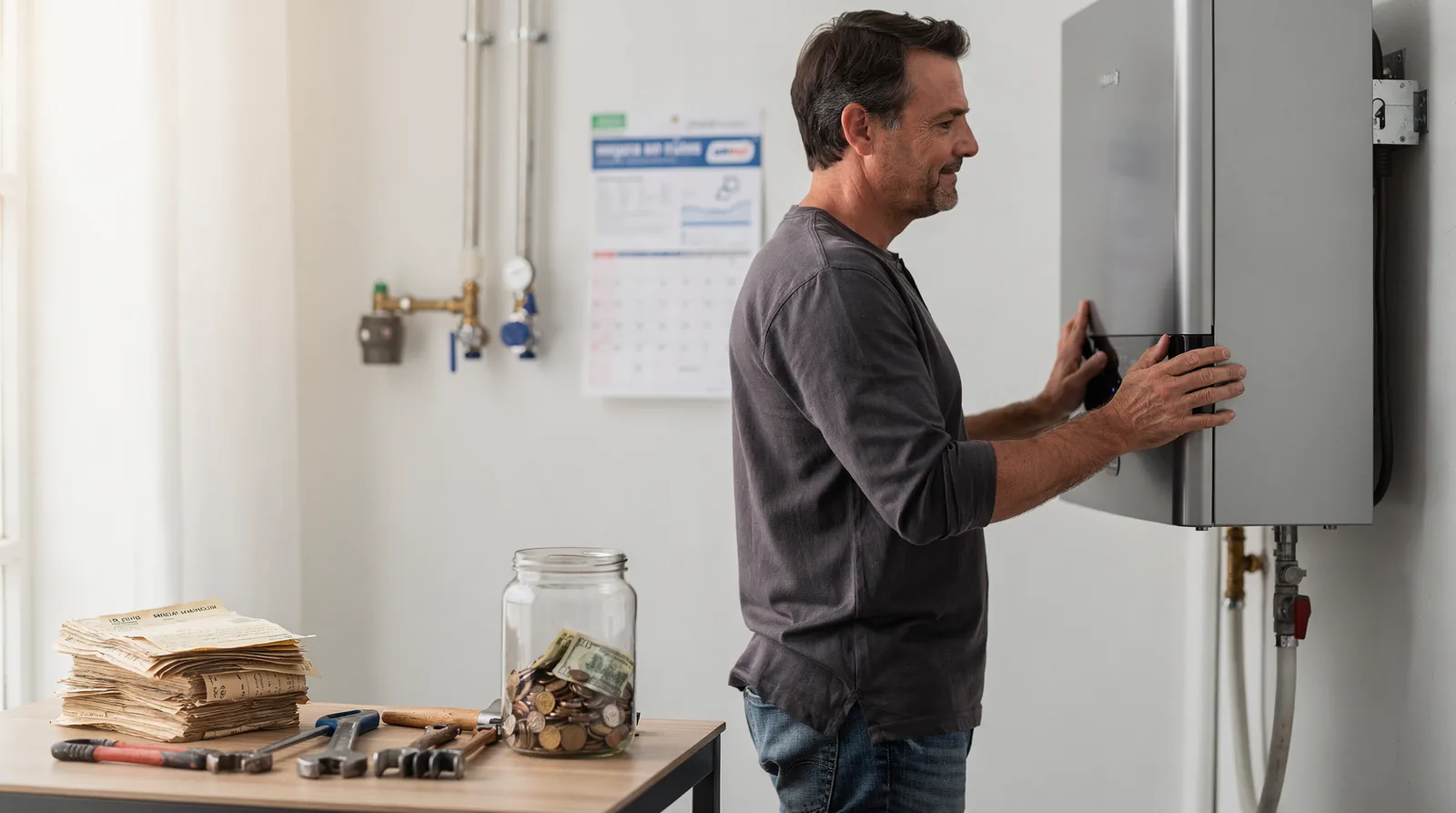
Low maintenance siding cuts long-term costs by eliminating the repeated repainting, patching, and pest treatments that wood exteriors demand. James Hardie siding is marketed as durable. Low-maintenance, reducing the need for frequent repairs or replacement compared to other exterior materials. cite-1 Homeowners planning a renovation, or preparing a house for sale, gain a real financial edge from that reduced upkeep.
Wood siding often needs recoating every few years, plus constant vigilance against rot and insects. Hardie board sidesteps that cycle almost entirely. Unlike wood, Hardie siding resists warping, cracking, and rotting, which makes it a strong choice for homes facing extreme weather while also lowering the ongoing cost of ownership. Fewer callbacks for repairs mean fewer surprise expenses down the road.
Does cheaper siding cost more over time?
Often, yes. Materials with a lower upfront price frequently carry a higher lifetime cost once repainting, board replacement, and pest damage get added up. Fiber cement siding avoids many of those recurring expenses by holding its shape and finish through seasonal extremes.
What does professional installation add to the savings?
Correct installation protects the value built into low-maintenance materials. RCG Siding Pros applies more than 30 years of construction experience through Rubicon Construction Group to deliver reliable, affordable, and professional siding installation. cite-1 That experience matters because poorly installed siding, regardless of material quality, invites moisture problems and premature wear.
A quick side-by-side makes the savings clear:
For sellers and long-term owners alike, that lower repair frequency translates directly into fewer dollars spent and more equity retained.
How Does Fire and Weather Resistance Help?
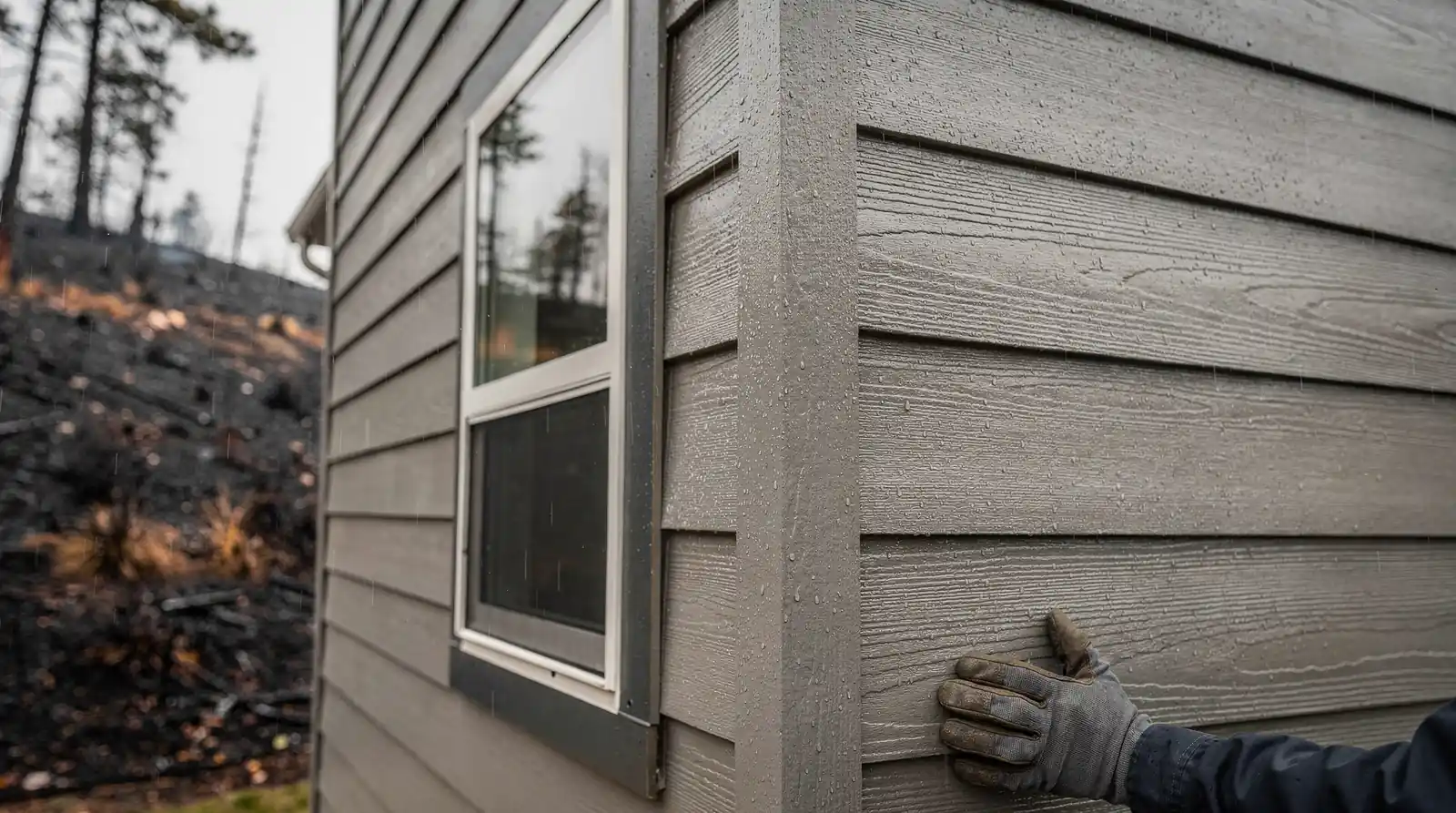
Fire resistance and storm-ready construction rank among the key benefits of choosing James Hardie siding for exterior renovations facing Florida’s climate. Homeowners lose thousands in repair costs when standard materials warp, crack, or ignite under extreme conditions. Fiber cement construction changes that equation entirely.
James Hardie fiber cement siding will not ignite when exposed to a direct flame. Unlike wood or vinyl siding, it also refuses to contribute fuel to a fire once one starts. That distinction matters for insurance considerations and for peace of mind, especially in neighborhoods where homes sit close together.
Why Does Stucco Fail in Florida’s Climate?
Stucco cracks under constant humidity swings, storm pressure, and intense heat cycles common across Northeast Florida. RCG Siding Pros specializes in replacing cracked, damaged, and failing stucco with James Hardie siding before minor cracks turn into structural water intrusion. cite-1 Catching that damage early protects framing, insulation, and interior finishes from costly secondary repairs.
What Makes Jacksonville Homes Especially Vulnerable?
Coastal humidity, seasonal storms, and sustained summer heat put exterior materials through repeated stress cycles. RCG Siding Pros operates from Jacksonville, Florida, giving the team direct, firsthand familiarity with these regional demands. That local positioning shapes every installation decision, from material selection to detailing around windows and rooflines.
Consider how the two most common siding challenges compare:
Sellers preparing to list a property gain a documented resilience story, not just a cosmetic upgrade. Buyers notice materials engineered to outlast a single storm season.
What Long-Term Value Does James Hardie Provide?
Long-term value from James Hardie siding comes from a combination of durability, curb appeal, and resale strength. Homeowners planning a renovation or a future sale gain protection that holds up for decades, not just a fresh coat of exterior finish. The key benefits of choosing James Hardie siding for a home extend well beyond appearance, touching equity, maintenance costs, and buyer confidence.
RCG Siding Pros’ installation professionals aim to deliver siding that protects a home while enhancing its appearance and long-term value over time. cite-1 That dual focus matters for sellers: a home that looks refreshed but performs poorly underneath rarely holds its value. Trained installers work to make sure the material is set up to perform for years, not just look good on installation day.
Does James Hardie siding actually increase resale value?
Yes. Industry sources note that James Hardie siding provides long-term protection while boosting a home’s resale potential, positioning it as a genuine investment rather than a cosmetic upgrade. Buyers weigh exterior condition heavily during walkthroughs, and durable siding signals fewer looming repair costs.
What makes RCG Siding Pros’ approach different?
RCG Siding Pros positions its James Hardie installation service as reliable, affordable, and professional, built on decades of construction experience. cite-1 That foundation gives homeowners confidence the work will be done right the first time.
Value shows up in several practical ways:
- Reduced future repair and replacement costs
- Stronger resale appeal for listing photos and inspections
- Consistent appearance that doesn’t fade or warp quickly
- Installation backed by established construction expertise
For homeowners comparing materials, the payoff isn’t just visual. It’s financial protection built into the walls of the house.
Investing in James Hardie siding represents a commitment to your home’s enduring protection and aesthetic excellence. The combination of superior durability, minimal maintenance requirements, and proven longevity establishes a foundation for sustained property value and homeowner satisfaction. By choosing quality materials backed by professional installation expertise, you secure both immediate curb appeal and long-term financial returns that extend far beyond the initial investment.
FAQ
What makes James Hardie siding more durable than wood, vinyl, or aluminum?
Fiber cement construction resists fire, water, weather, and pests while maintaining structural integrity for decades, unlike wood, vinyl, or aluminum, which crack, warp, or rot within a decade.
Does James Hardie siding really increase a home’s resale value?
Yes, its durable, low-maintenance exterior reassures buyers they won’t inherit costly repairs, which supports stronger offers and boosts curb appeal that attracts buyers in Jacksonville, St. Johns, and surrounding counties.
Why does professional installation matter for James Hardie siding’s performance?
Trained installation professionals fit siding correctly to protect the home’s structure and appearance. Poor installation allows moisture intrusion and premature wear that shortens the material’s protective lifespan.
Facts
- RCG Siding Pros is located in Jacksonville, Florida, US.
Conclusion
Choosing James Hardie siding is ultimately a decision about protecting a home’s value for decades, not just its appearance for a season. From fire, water, weather, and pest resistance to lower maintenance costs and stronger curb appeal, fiber cement siding addresses the concerns that matter most to homeowners planning a renovation or preparing to sell. When that material advantage is paired with professional installation, the result is an exterior that performs as well as it looks — giving Jacksonville, St. Johns, St. Augustine, Duval, and Clay County homeowners a durable, low-maintenance foundation for lasting resale value and long-term peace of mind.