
How Does James Hardie Siding Compare to Traditional Wood Siding in Durability
When it comes to How Does James Hardie Siding Compare to Traditional Wood Siding in Durability?, james Hardie fiber cement siding outlasts traditional wood siding by resisting fire, moisture, pests, and weather damage that cause wood to rot, warp, or split. Wood demands frequent repainting and sealing to survive Florida humidity. Hardie’s Engineered for Climate® formulation holds its structure and finish for decades with minimal upkeep.
Key Takeaways
- James Hardie fiber cement resists fire, water, moisture, weather, pests, and time damage effectively.
- Wood siding requires constant maintenance projects; James Hardie reduces ongoing upkeep significantly.
- James Hardie products will not burn, providing superior fire resistance compared to wood.
- Homeowners expect siding protection lasting 30 years; James Hardie durability meets this requirement.
What Sets Hardie Siding Apart From Wood?
James Hardie siding resists fire, water, weather, and pests in ways untreated wood simply cannot match. Wood planks absorb moisture, swell, crack, and eventually rot without constant sealing and repainting. Fiber cement construction removes that vulnerability at the material level, not just on the surface.
The difference comes down to composition. Wood is an organic material that insects target and moisture penetrates over time. Fiber cement blends cement, sand, and cellulose fibers into a dense, engineered board built to shrug off the same conditions that break down wood siding year after year.
Does Hardie siding really last longer than wood?
Longevity is where the gap widens. Wood siding demands recurring maintenance cycles: sanding, painting, caulking, and patching against pests and rot. Fiber cement holds up against fire, water, weather, and pests without that repeating maintenance burden, which translates into fewer repair calls and lower long-term costs for homeowners.
Consider how each material performs against common threats:
Why does installation experience matter for durability?
Material quality only pays off when installation matches it. RCG Siding Pros brings more than three decades of construction experience through its connection to Rubicon Construction Group, applying that background to every siding project. cite-2 Proper installation protects seams, fastening points, and flashing details that determine whether siding performs as engineered or fails prematurely.
Homeowners weighing wood against fiber cement are really weighing recurring upkeep against durable, low-maintenance protection. Trained installation professionals matter as much as the material itself. Precision installation is what allows Hardie siding to deliver its full protective value and lasting curb appeal.
Does Hardie Siding Resist Fire Better?
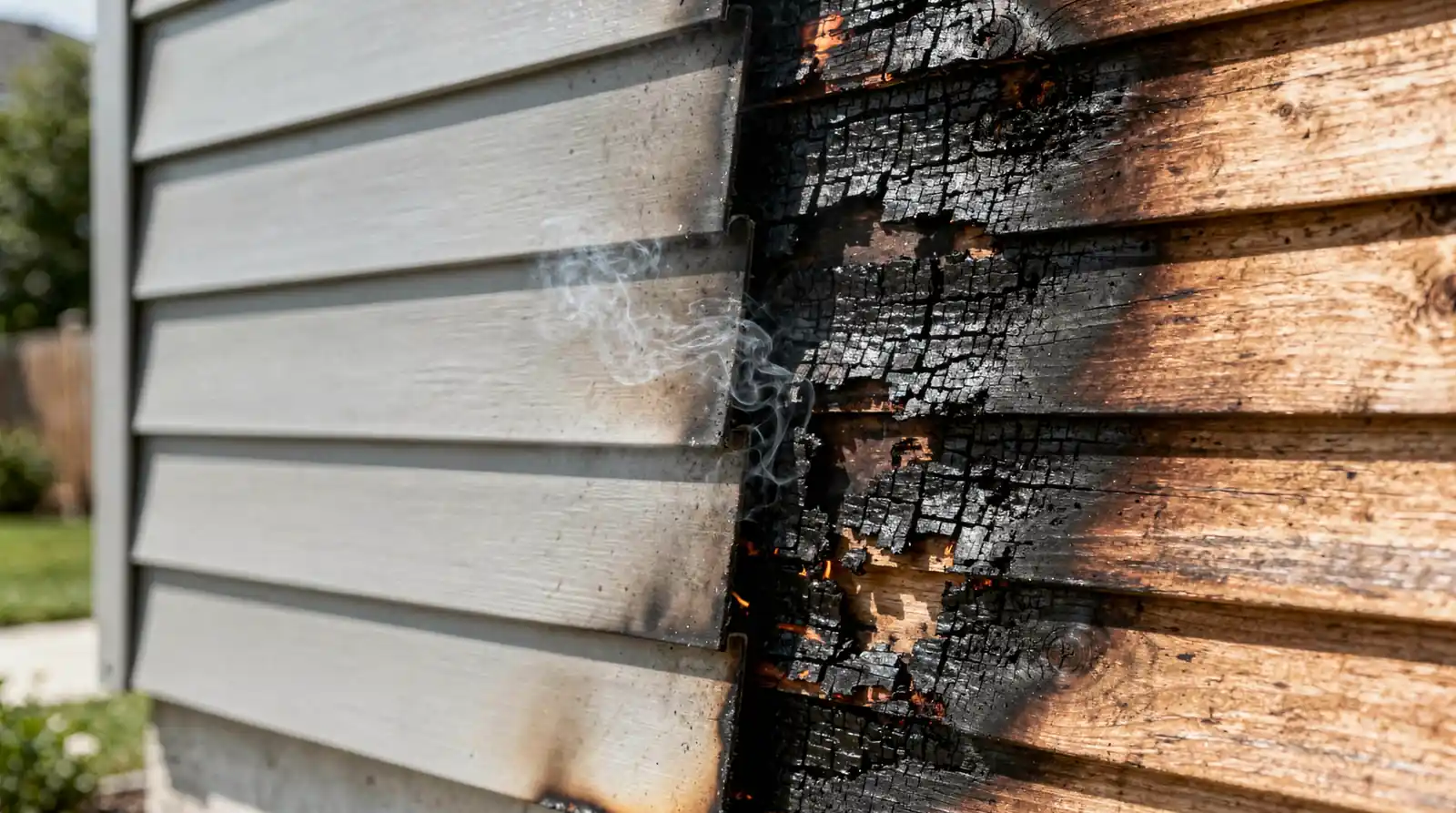
Yes — fiber cement siding stops fire in its tracks, while wood adds fuel to the flames. James Hardie siding will not ignite when exposed to direct flame and contributes no fuel to a fire’s spread. Wood, by contrast, burns readily and accelerates fire damage once flames reach the exterior wall. Vinyl siding fares no better, melting almost instantly under intense heat.
This gap in fire performance matters most during wildfire season or when a neighboring structure catches fire. Traditional wood siding offers little protection in either scenario, leaving a home’s exterior vulnerable at the exact moment protection counts most.
Why does material choice matter for fire safety at home?
Material choice determines whether an exterior wall becomes a fire barrier or a fire accelerant. Fiber cement resists ignition and won’t feed a blaze, giving homeowners extra time during an emergency. Wood siding does the opposite — it burns and helps fire travel across a structure faster.
RCG Siding Pros’ trained installation professionals understand this difference and apply it to every project. Installations focus on protecting homes while boosting long-term value, not just curb appeal. That expertise extends beyond wood comparisons, too:
- Stucco cracks, chips, and fails over time, creating weak points in a home’s exterior.
- RCG Siding Pros replaces cracked, damaged, and failing stucco with more resilient James Hardie siding.
- The result is an exterior built to hold up against fire risk and weather stress alike.
Homeowners weighing fire resistance alongside durability get a clear answer: fiber cement outperforms wood on this front, without exception.
Which Material Withstands Moisture and Weather?
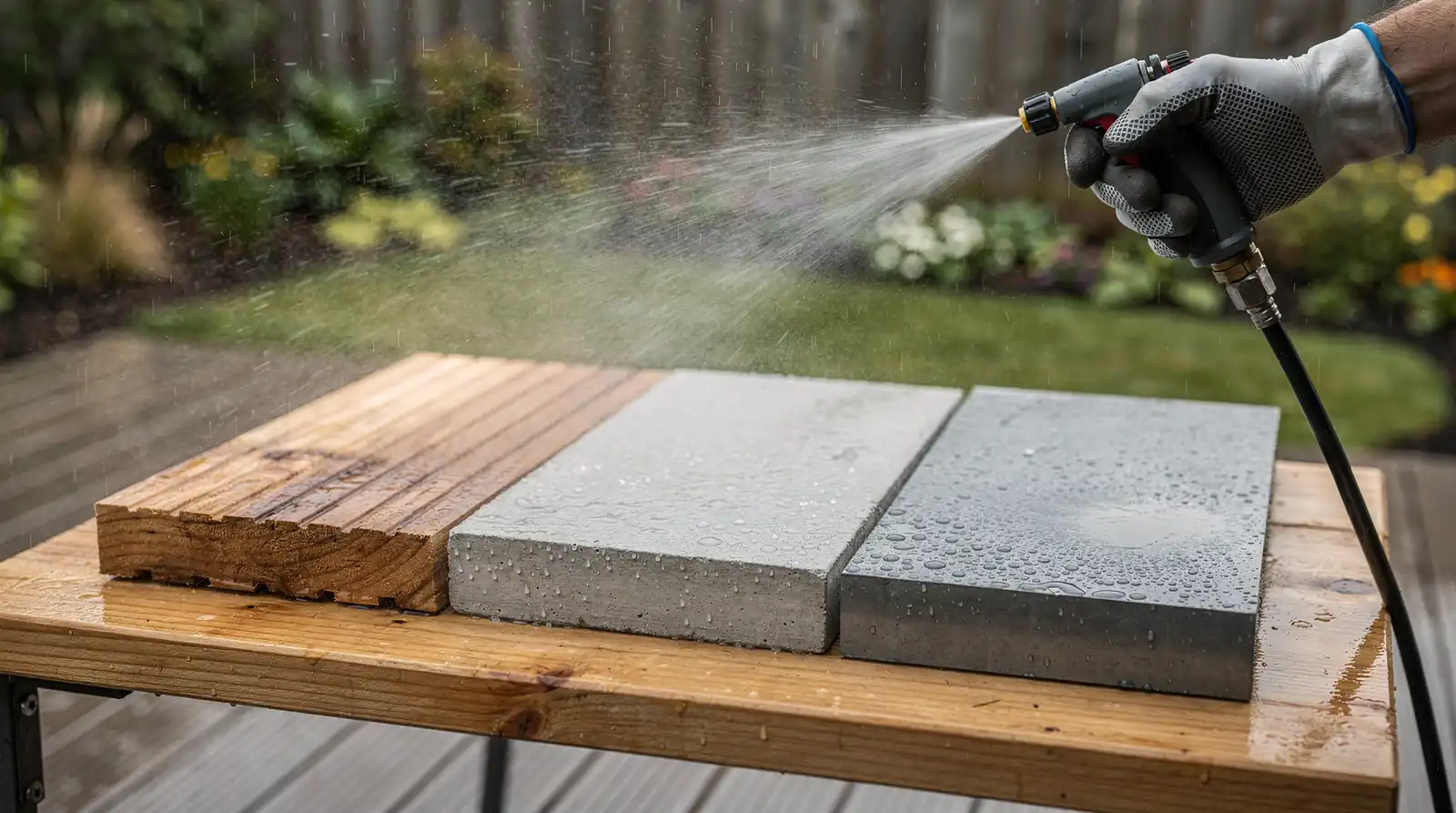
James Hardie fiber cement holds the clear advantage over wood when rain, humidity, and storms enter the picture. Engineering, not luck, makes the difference. Hardie products are built specifically to resist water and humidity, standing firm through rain, sleet, and snow without warping or swelling.
Traditional wood siding tells a different story. Wood offers genuine natural character and old-world craftsmanship, qualities many homeowners still admire. But that same organic material absorbs moisture readily, which leads to swelling, cracking, and rot over time. Fiber cement takes the opposite approach: it’s engineered for stability, long-term durability, and far less upkeep than wood ever delivers.
Why does moisture resistance matter more in Florida homes?
Homes in Jacksonville and the surrounding region face near-constant humidity, seasonal downpours, and storm season pressure. Siding that soaks up water invites warping, mold growth, and premature replacement. Materials engineered for moisture resistance simply hold up longer under these conditions.
Is wood siding a risk in wet climates?
Wood siding struggles in consistently damp environments. Repeated exposure to rain and humidity accelerates rot, insect activity, and paint failure. Homeowners in wet regions often find themselves repainting, resealing, or replacing wood far sooner than expected.
RCG Siding Pros, based in Jacksonville, Florida, serves homeowners throughout St. Johns, St. Augustine, Duval, and Clay counties, where humid air and storm-prone weather test exterior materials constantly. That regional reality shapes every recommendation made to local clients.
The comparison below summarizes the core distinction:
Low-maintenance siding built to withstand year-round elements protects the investment homeowners are making in their exteriors, season after season.
Does Wood Siding Demand More Upkeep?
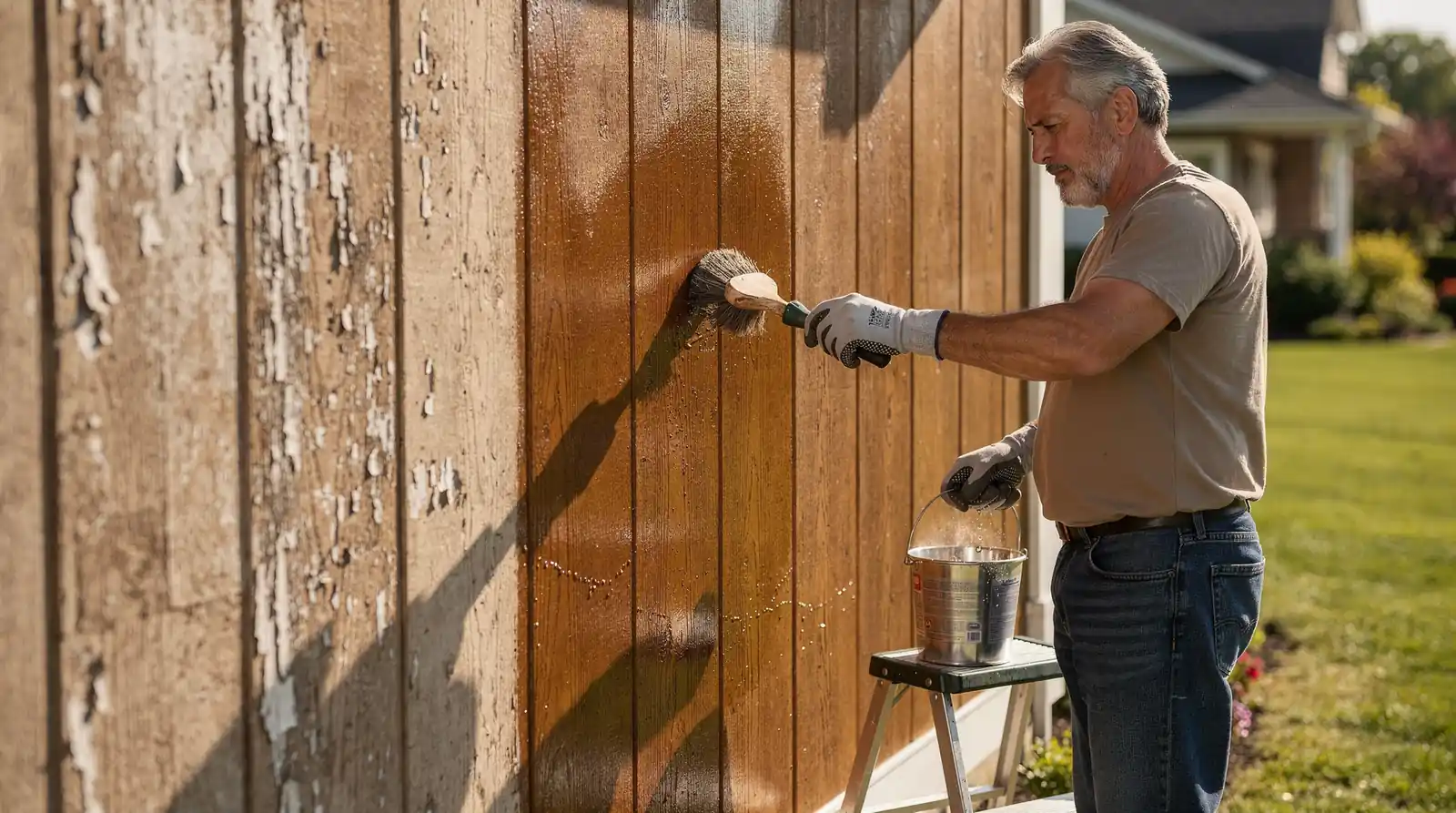
Wood siding demands significantly more upkeep than fiber cement alternatives. Traditional wood exteriors require frequent painting, staining, and sealing to fight off moisture, warping, and pest damage. James Hardie siding, by contrast, holds little appeal for pests. Wood remains a common target for termites and carpenter ants seeking an easy meal.
That difference in maintenance burden matters most to homeowners weighing long-term costs. Most families want an exterior that looks sharp, protects the structure, and doesn’t turn into a recurring chore. Wood siding often fails that third test. Paint peels, boards cup, and moisture creeps into seams, forcing homeowners back onto ladders year after year.
What Maintenance Tasks Does Wood Siding Typically Require?
Wood siding owners typically face recurring painting or staining cycles, caulking of joints, and regular inspections for rot or insect activity. Left unchecked, these small tasks turn into costly repairs. Fiber cement products sidestep much of this cycle, holding paint longer and resisting the pest infestations that plague wood.
Is Fiber Cement Siding Really Lower-Maintenance Than Wood?
Yes. Fiber cement’s resistance to pests and its stable composition reduce the inspection and repair schedule homeowners typically follow with wood.
RCG Siding Pros’ installation teams focus on reducing that burden from day one. Trained installation professionals deliver exterior siding built to enhance curb appeal while protecting long-term home value. That focus comes from more than three decades of construction experience across the Rubicon Construction Group, applied directly to reliable, low-maintenance installations.
Comparing the two materials side by side:
Homeowners comparing quotes should weigh these upkeep differences carefully before committing to a material choice.
Which Siding Delivers the Best Long-Term Value?
Long-term value comes from balancing upfront cost against decades of upkeep, not from the lowest bid on installation day. James Hardie siding and LP SmartSide both outperform traditional wood siding and vinyl in the premium siding market, having addressed the warping, rot, and repeated repainting that plague older materials. Wood siding often looks appealing at purchase but demands ongoing labor and expense that erodes its early savings.
Real value calculations require weighing several factors together, not judging siding on price alone.
What factors actually determine siding value?
Cost, durability, maintenance needs, aesthetic appeal, and long-term protection all interact to determine whether a siding choice pays off. A material that costs less upfront but requires frequent repainting or board replacement can cost homeowners more over 20 years than a higher-priced, low-maintenance option.
How can homeowners compare options before committing?
Getting a side-by-side estimate remains the clearest way to weigh true value. RCG Siding Pros, based in Jacksonville, Florida, provides a free, no-pressure siding estimate so homeowners can compare materials before signing a contract. cite-2 That conversation, grounded in real numbers rather than guesswork, is where lasting value decisions actually get made.
FAQ
Which siding material requires less maintenance over time?
James Hardie fiber cement requires minimal upkeep thanks to its Engineered for Climate® formulation. Wood siding demands constant sanding, painting, sealing, and patching to survive humidity, pests, and rot.
How does Hardie siding hold up against Florida’s humidity and moisture?
James Hardie withstands moisture exposure without swelling or decaying, unlike wood, which absorbs water, swells, and eventually rots, making fiber cement a stronger choice for Jacksonville’s humid climate.
Why does professional installation matter for siding durability?
Proper installation protects seams, fastening points, and flashing details that determine performance. RCG Siding Pros applies over three decades of construction experience through Rubicon Construction Group to every project.
Facts
- RCG Siding Pros is located in Jacksonville, Florida, US.
Conclusion
Choosing between James Hardie fiber cement and traditional wood siding ultimately comes down to how much value homeowners place on lasting durability versus recurring upkeep. Wood siding may offer familiar character, but it remains vulnerable to fire, moisture, pests, and weather in ways that demand constant maintenance and repeated investment. James Hardie siding, engineered specifically to withstand these threats, delivers decades of protection with far less ongoing effort, provided it’s installed with the same level of precision the material was built for.
For homeowners in Jacksonville and the surrounding counties, where humidity and storm exposure put exterior materials to the test, that combination of engineered durability and professional installation is what separates a siding choice that holds up from one that becomes a recurring expense. RCG Siding Pros brings that installation expertise to every project, helping homeowners make a confident, informed decision before committing to a material or a contractor.