
Is James Hardie Siding the Best Choice for Your Home’s Exterior? Discover Benefits, Costs, and Options
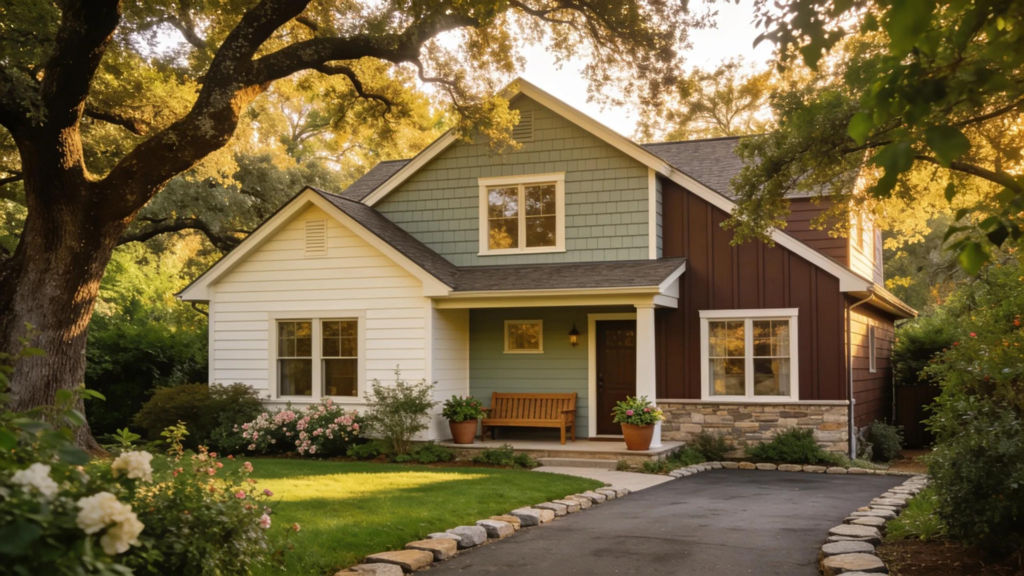
Choosing the right siding for your home is a crucial decision that impacts both the aesthetic appeal and the overall durability of your property. With various options available, homeowners often find themselves asking, “Is James Hardie siding the best choice for my home’s exterior?” This article explores the numerous advantages of James Hardie siding, including its durability, low maintenance, and aesthetic flexibility, while also discussing its cost and installation process. As homeowners consider the long-term investment of siding materials, understanding the benefits and potential drawbacks is essential. We will delve into its comparison with other materials through several sections focused on the fundamental attributes and installation considerations associated with James Hardie siding.
What Are the Key Benefits of Choosing James Hardie Siding?
James Hardie siding offers several key benefits that make it a popular choice among homeowners.
- Durability: Constructed from fiber cement, it withstands harsh weather conditions and resists warping, cracking, or insect damage.
- Low Maintenance: Unlike wood siding, which may require regular painting and treatment, James Hardie siding is low-maintenance and does not require frequent repainting or treatments for pests.
- Variety of Aesthetic Options: Available in various colors and styles, such as lap siding, board and batten siding, and shingle siding, allowing homeowners to customize their home’s exterior according to personal preference and architectural style.
These attributes make James Hardie siding an appealing prospect for ensuring a long-lasting and visually pleasing exterior.
How Does Fiber Cement Deliver Durability and Aesthetic Appeal?
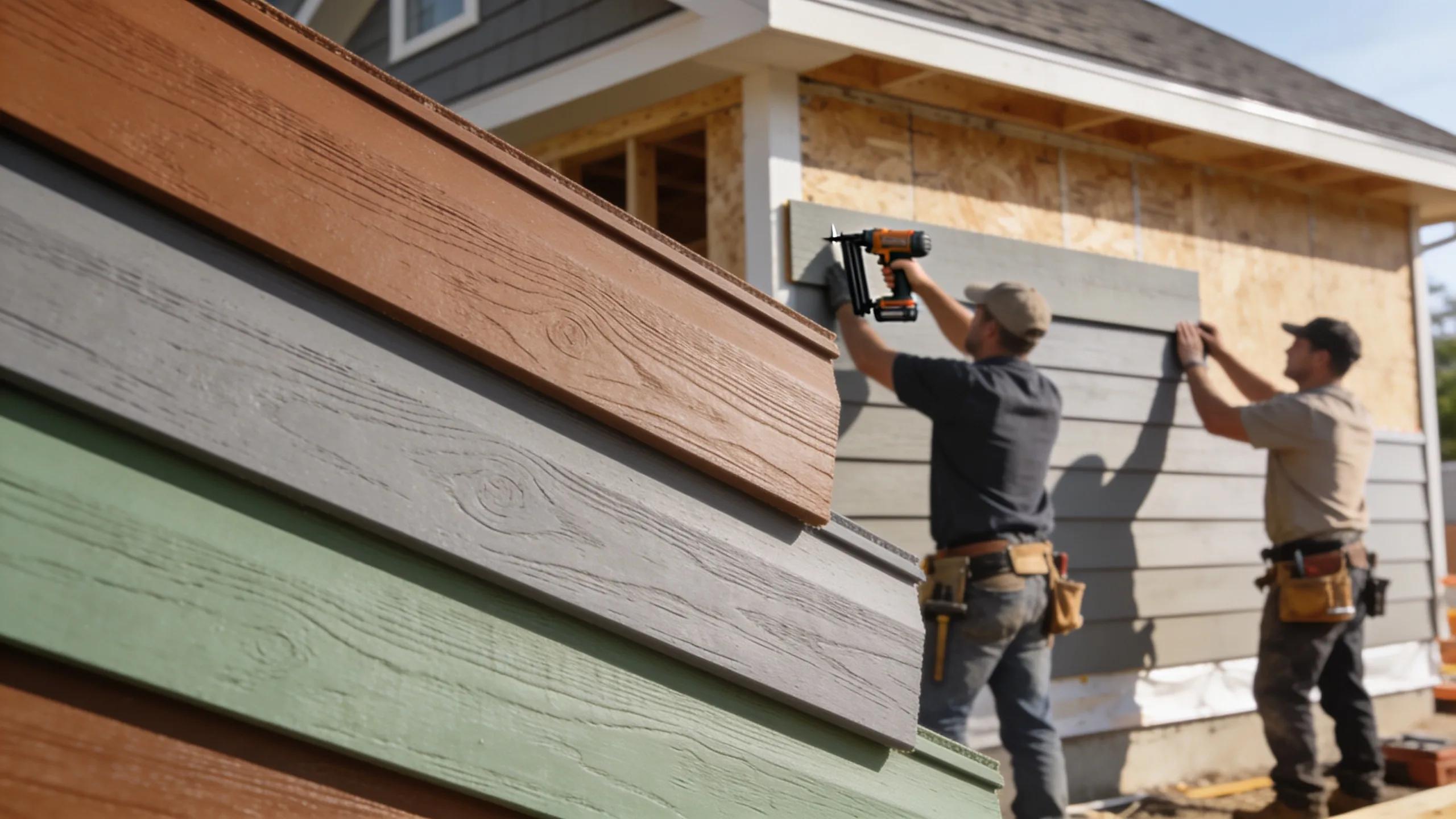
Fiber cement siding, the primary component of James Hardie siding, is designed for both durability and aesthetic appeal. The material is made from a mixture of cement, sand, and cellulose fibers, which contributes to its robust properties.
The unique composition of fiber cement not only enhances its strength but also provides a fire-resistant barrier, ensuring safety and longevity. Aesthetic appeal is achieved through advanced coloring techniques and finishes that result in a wood-like appearance without the associated vulnerability. Homeowners can enjoy the visual warmth of wood siding while benefiting from the resilience that fiber cement offers.
Why Is Fire Resistance and Low Maintenance Important for Homeowners?
Fire resistance is a critical factor for many homeowners when choosing siding materials. As fires can pose a substantial threat to residential areas, James Hardie siding provides peace of mind with its non-combustible properties, significantly enhancing home safety.
Additionally, the low maintenance aspect of James Hardie siding supports long-term cost savings. Homeowners can reduce expenditures related to upkeep and repairs compared to more vulnerable materials like vinyl or wood, making it an economically sound choice.
How Does James Hardie Fiber Cement Siding Compare to Other Exterior Materials?
When comparing James Hardie fiber cement siding to other exterior materials, such as vinyl and wood, several factors come into play.
- Durability: Fiber cement is rated higher for its ability to endure extreme temperatures and weather conditions when compared to vinyl siding, which can become brittle over time.
- Maintenance: While wood requires painting and treatment against pests, James Hardie siding only needs periodic cleaning, offering a significant reduction in effort and cost.
- Aesthetic Flexibility: Both vinyl and wood have limited options in terms of color and style. In contrast, James Hardie siding comes in various textures and a wide spectrum of colors, appealing to diverse homeowner tastes.
This comparison illustrates the robustness and versatility of James Hardie siding, making it a strong competitor amongst other materials.
What Are the Pros and Cons of Fiber Cement Versus Vinyl or Wood Siding?
When concerned about choosing between fiber cement, vinyl, or wood siding, it’s helpful to weigh their respective pros and cons:
Fiber Cement Siding
- Pros:Exceptional durability against weather and pestsAesthetically pleasing options to match various architectural stylesEnhanced fire resistance
- Cons:Higher upfront cost compared to vinyl
Vinyl Siding
- Pros:Typically lower installation costsWider accessibility and availability
- Cons:Less durability—can warp or fade over timeRequires replacement rather than repainting
Wood Siding
- Pros:Natural beauty and charm that many homeowners appreciate
- Cons:Vulnerable to rot, pests, and requires regular maintenance
This contrasts highlights the long-term investment factors that come with each siding choice.
This detailed analysis of siding materials underscores the broader environmental and economic implications of maintenance and replacement decisions.
A Comparative Analysis of Siding Materials: Environmental and Economic Costs
By leveraging tools provided by the scientific community, specifically the outputs of life cycle assessments (LCA) — synthesized in environmental product declarations (EPD) — and life cycle cost assessments (LCCA), the comprehensive environmental and economic impacts of historic, traditional, and simulated materials are established and contrasted. This research thereby informs the historic preservation community regarding the quantifiable sustainability of historical materials relative to their alternatives. Through these two distinct methodologies of environmental and economic life cycle costing, this study demonstrates that retaining in-situ siding results in the minimal environmental impact and is the second most economically viable option. Conversely, while the installation of new, traditional wood siding exhibits the next lowest environmental impact, it represents the most expensive method over the long term. Therefore, despite simulated materials often being promoted as the most environmentally and economically sustainable choice, retaining in-situ siding and… Cladding by Another Name: A Comparative Analysis of the Environmental and Economic Costs of Traditional Wood Clapboards, Composite Fiber-Cement Siding, and …, 2022
Which Siding Materials Offer the Best Longevity and Return on Investment?
Selecting siding materials that provide long-term value is pivotal for homeowners. James Hardie siding is renowned for its longevity, with an expected lifespan exceeding 50 years if properly maintained. This durability translates into an excellent return on investment, as homes with fiber cement siding can recoup a significant portion of their installation costs when reselling.
Additionally, the energy efficiency of James Hardie siding can lead to savings on heating and cooling costs. This versatility, combined with its warranty coverage, sweetens the deal for potential buyers.
What Should You Expect in Cost and Installation When Choosing James Hardie Siding?
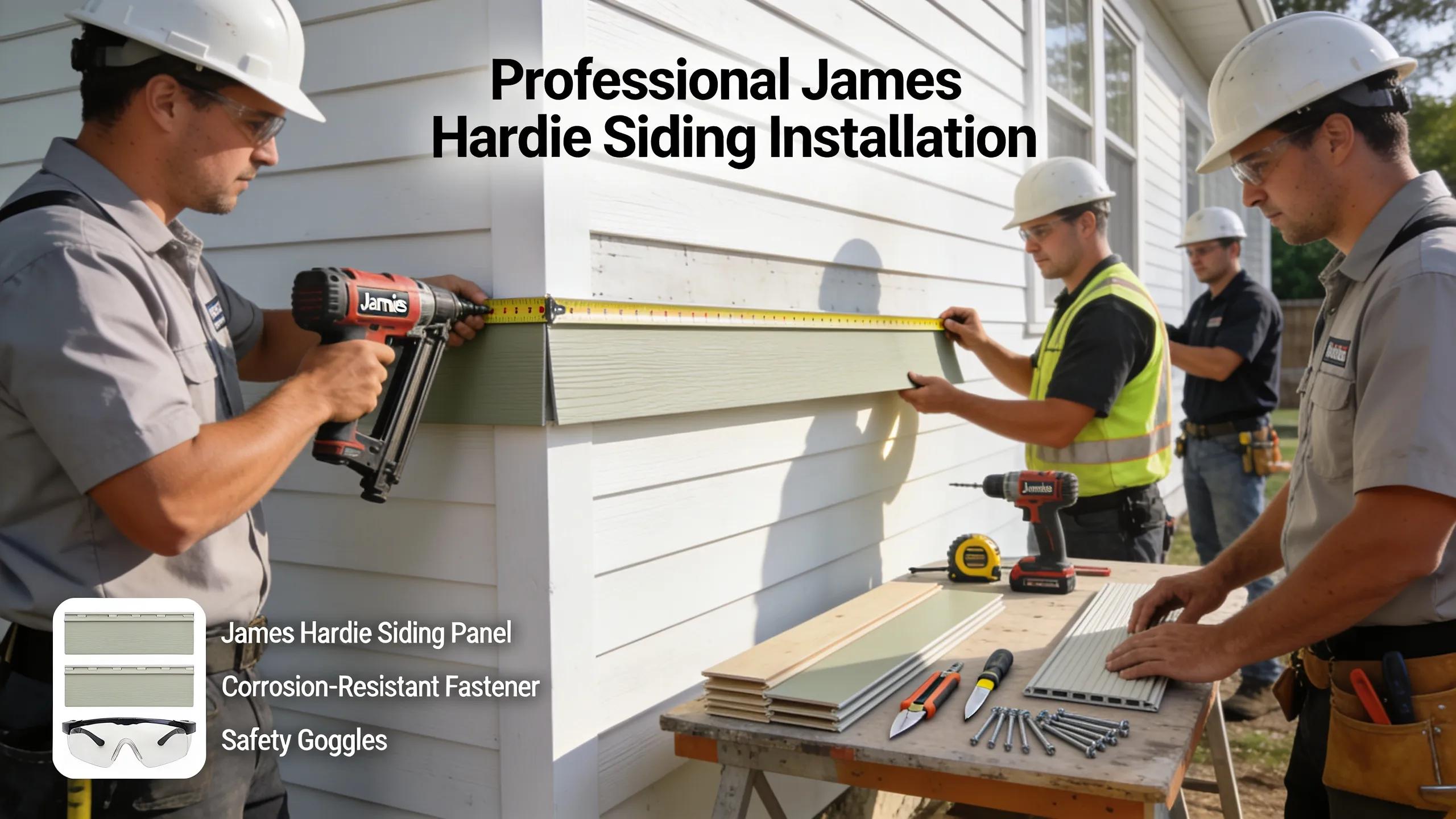
When planning for the installation of James Hardie siding, homeowners should consider a few key aspects related to cost and the installation process.
How Is James Hardie Siding Installation Completed by Professionals?
The installation of James Hardie siding is best left to experienced professionals who follow specific guidelines to ensure proper application. The typical steps include:
- Preparation: Assessing the existing structure and preparing the area for installation.
- Installation: Laying down weather-resistant barriers before affixing the fiber cement boards to the house frame.
- Final Inspection: Completing a walkthrough with the homeowner to ensure satisfaction with the work completed.
For professional siding services and installation, consider exploring options for siding services for your home. These professionals ensure proper application and can guide you through the selection and installation process to enhance your home’s value and safety.
What Are Typical James Hardie Siding Installation Costs and Financing Options?
Installation costs can vary significantly based on the size of the project and specific design choices, but homeowners should anticipate a ballpark estimate of around $12-$13 per square foot for materials and labor combined.
Financing options may also be available through local contractors, providing assistance to homeowners looking to manage their budgets efficiently while upgrading their siding. Always consider the overall investment into the value that quality siding, like James Hardie, brings to a home.
How Can You Maintain James Hardie Siding and Leverage Its Warranty?
To ensure that James Hardie siding continues to perform well over time, homeowners should adopt a simple maintenance routine including:
- Cleaning: Regularly wash the siding to prevent dirt and mold buildup.
- Inspections: Routinely check for any potential damage, particularly after severe weather.
- Warranty: James Hardie offers a 30-year limited warranty for their products, which can provide peace of mind concerning durability.
What Maintenance Tips Ensure Longevity for Fiber Cement Siding?
Maintaining fiber cement siding is straightforward. Here are some essential tips:
- Wash Annually: Use a hose with moderate pressure to clean the surface.
- Inspect Caulking: Check seals around windows and doors for integrity and replenish as needed.
- Avoid Heavy Impact: Protect the siding from heavy impacts that can dent or damage the material.
How Does the James Hardie Warranty Protect Your Investment?
The James Hardie warranty protects homeowners by guaranteeing the product’s quality against manufacturing defects. Coverage generally lasts for 30 years, providing assurance that your siding investment will maintain its durability and appearance over time.
With its extensive product offerings, commitment to quality, and focus on customer satisfaction, James Hardie siding represents a strong option for your home’s exterior needs, with RCG Siding Pros ready to assist with installation and maintenance needs to further enhance your home’s value and safety.